
Future Regions Research Centre
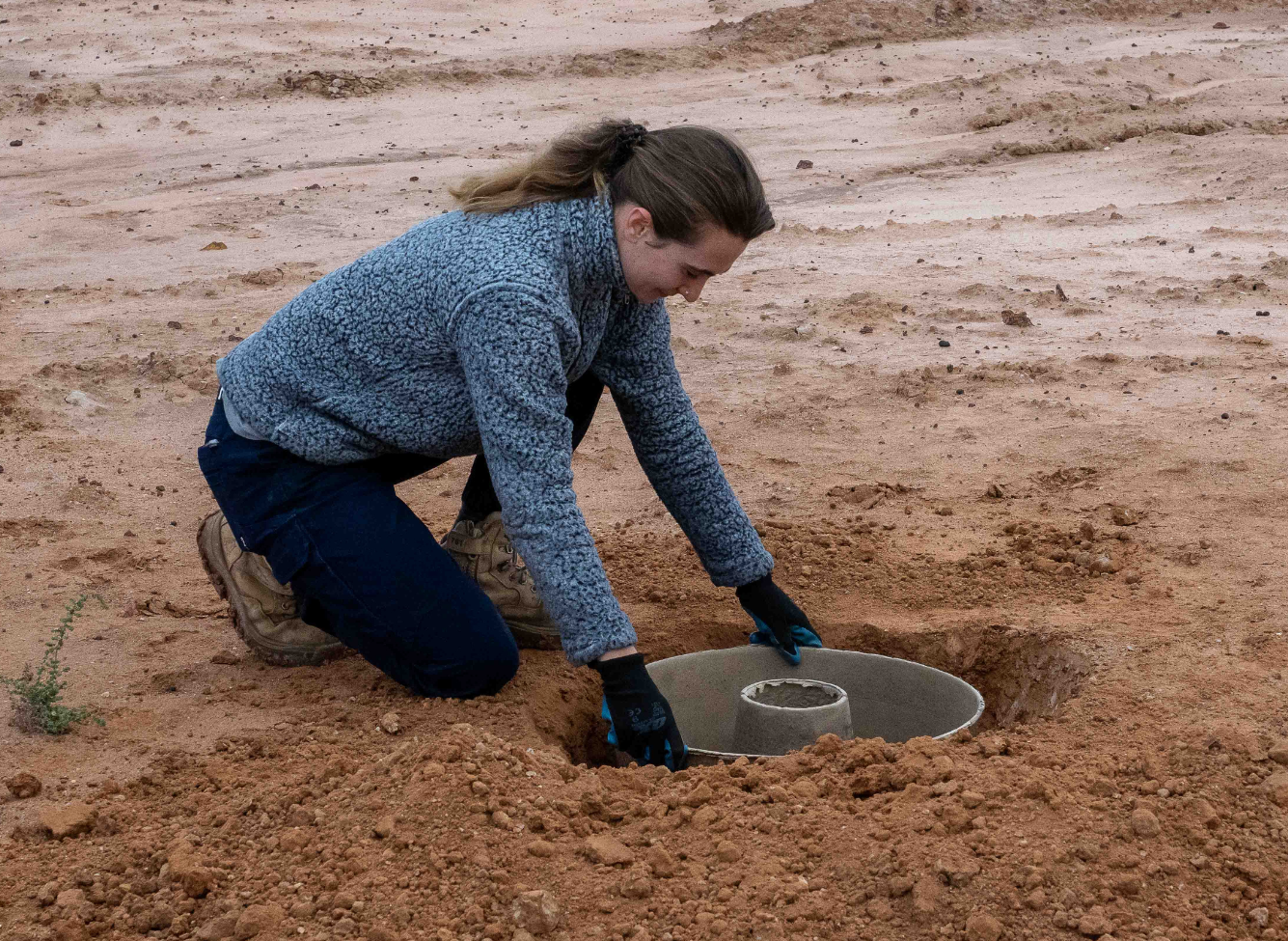
The Future Regions Research Centre (FRRC) – part of the Institute of Education, Arts and Community – brings together multidisciplinary teams to address the complex challenges shaping regional and remote communities. Established in 2021, FRRC combines expert research with local knowledge to develop innovative, practical solutions for issues affecting both natural and built environments.
FRRC focuses on challenges such as sustainable land and water management, ecosystem restoration, climate change adaptation and the social dimensions of environmental change. Its research supports communities impacted by activities such as agriculture and mining, as well as those recovering from bushfire and drought. By integrating humanities and social sciences with STEM disciplines, the Centre takes a holistic approach to understanding and managing regional systems.
FRRC in action
Research streams

Research team
Dr Nicholas Schultz (research leader)
Dr Heather Neilly (research leader)
Associate Professor Andrew Barton
Dr Philip Barton
Associate Professor Savin Chand
Dr Meagan Dewar
Dr Birgita Hansen
Dr Fiona Hogan
Associate Professor Jerry Hu
Jo-ann Larkins
Dr Suryani Lim
Dr Benjamin Long
Dr Giles Oatley
Ashley Olson
Dr Grant Palmer
Associate Professor Jessica Reeves
Dr Kushan Tennakoon
Dr Megan Wong
Professor Wendy Wright
Professor Andrew O'Loughlin (research leader)
Bill Grant (research leader)
Dr Mehmood Chadhar
Associate Professor Kim Dowling
Professor Singarayer Florentine
Associate Professor Andrew Greenhill
Craig Hurley
Dr Paul McPhee
Dr Megan Wong
Dr Nathan Robinson
Distinguished Professor Helen Thompson
Haydn Swan
Associate Professor Jessica Reeves
Dr Giles Oatley
Professor Ean Ooi (research leader)
Associate Professor Ayon Chakraborty (research leader)
Associate Professor Gayan Kahandawa Appuhamillage
Dr Mehmood Chadhar
Associate Professor Gopi Chattopadhyay
Dr Sathees Nava
Associate Professor Surbhi Sharma
Shoaib Riaz
Dr Zhigang Xiao
Professor Shyh Wei Teng
Dr Nargiz Sultanova
Dr Rakibuzzaman Shah
Dr Alicia Reynolds
Truong Phung
Christine Peacock
Dr Daniel Nguyen
Associate Professor Jennifer Mosse
Dr Suryani Lim
Dr Alan Labas
Dr Apurv Kumar
Dr Harpreet Kandra
Dr Fatemeh Javidan
Associate Professor Jerry Hu
Professor Singarayer Florentine
Dr Sally Firmin
Associate Professor Jerry Courvisanos
Dr Tanveer Choudhury
Professor George Earl (research leader)
Professor Jennifer Martin
Dr Mathew Abbott
Dr Ibrahim Abraham
Dr Verity Archer
Dr Anne Beggs-Sunter
Associate Professor Fred Cahir
Dr Marg Camilleri
Dr Angela Campbell
Dr Clement Chihota
Associate Professor Gopi Chattopadhyay
Associate Professor Jerry Courvisanos
Dr Kristen Davis
Dr Meagan Dewar
Professor Singarayer Florentine
Dr Anitra Goriss-Hunter
Associate Professor Abdel Halabi
Dr Tim Harrison
Michelle Hood
Associate Professor Carolyn Johnstone
Trent Kooyman
Dr Christine Lee
Dr Zeb Leonard
Dr Suryani Lim
Damien McCartin
Dr Giles Oatley
Professor Ean Ooi
Eva Orr
Dr Goetz Ottmann
Christine Peacock
Dr Cassie Pedersen
Associate Professor Jessica Reeves
Professor Keir Reeves
Michelle Rossi
Dr Christina Sadowski
Associate Professor Jeremy Smith
Dr Kay Steel
Mr Matthew Thorley
Dr Cathy Tischler
Dr David Waldron
Dr Shaun Watson
Associate Professor Carole Wilson
Professor Wendy Wright
Professor Elisa Zentveld
Dr Lauren Zeuschner
Christina Aitken
Dr Jill Orr
Dr Carmel Goulding
Dr Shirley Strachan
Dr Reshmi Roy
Sharon Sperling
Dr Carla Kennedy
Our work
- What’s stopping affordable and sustainable housing from becoming a reality in regional areas
- Using organic soil amendments to make soils deeper and boost yields (case study)
- Rurality and workforce participation (case study)
- Impact of climate change on coal mine rehabilitation (case study)
- How maths is solving complex water quality issues (case study)
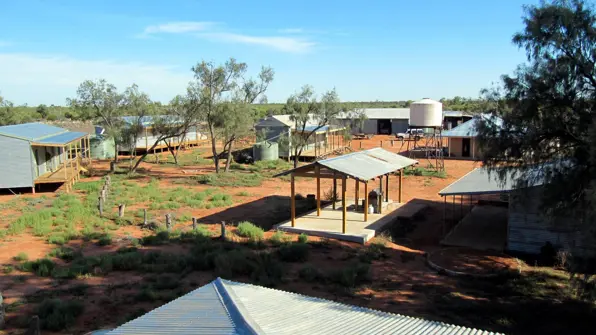
Our facilities
Engage with us
We're keen to hear from:
- HDR candidates looking for supervision
- external researchers who would like to collaborate
- organisations seeking consultancy services, commissioned research and evaluation or collaborative research partnerships.
We also encourage you to join us for research events, such as the Biodiversity Across the Borders Conference.
Contact us
If you have any questions about FRRC or you'd like to discuss engagement opportunities, please email admin.frrc@federation.edu.au.