
Nanya Station
Discover how Nanya supports a wide range of ecological and environmental research and provides a valuable field site for biodiversity and land management studies.
Our mission
About the Station
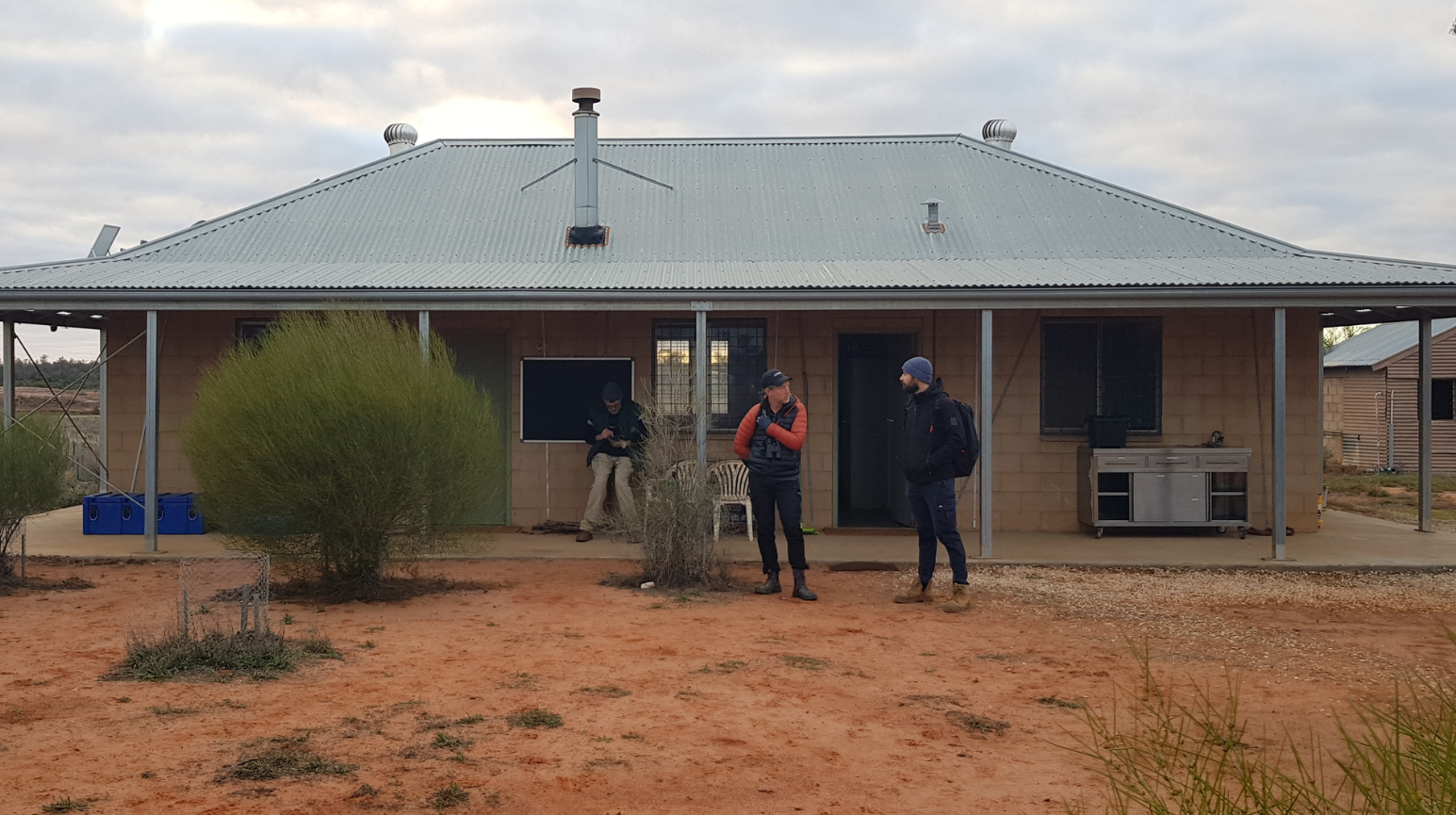
Nanya Station is a 40,000-hectare research property located between Mildura and Broken Hill in far western New South Wales. Originally established as a pastoral lease in 1927 (then known as Winnebaga), the area has one of the shortest stock-grazing histories in western NSW, helping preserve its ecological integrity. Federation has been the custodian of the Station since 2004.
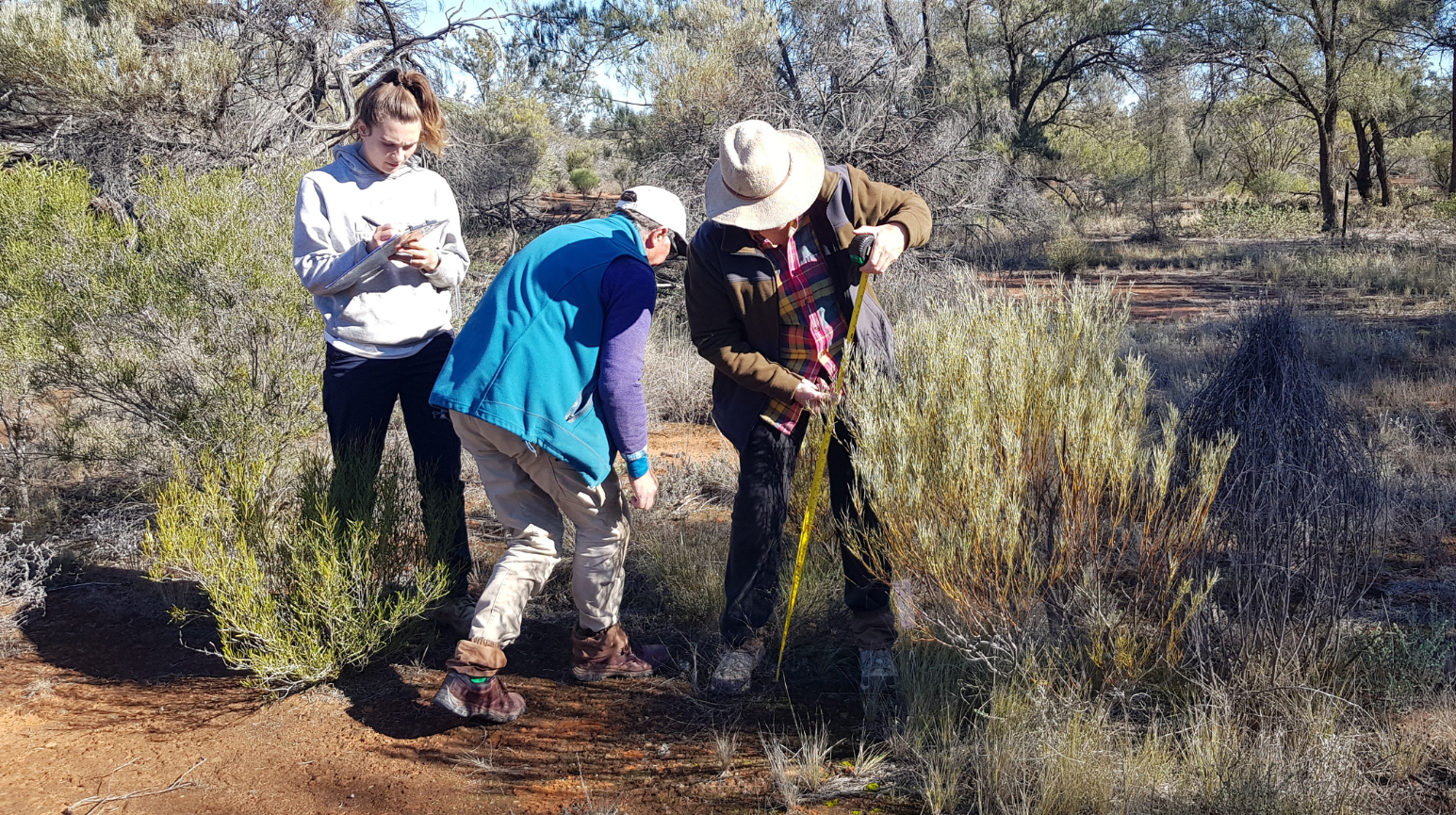
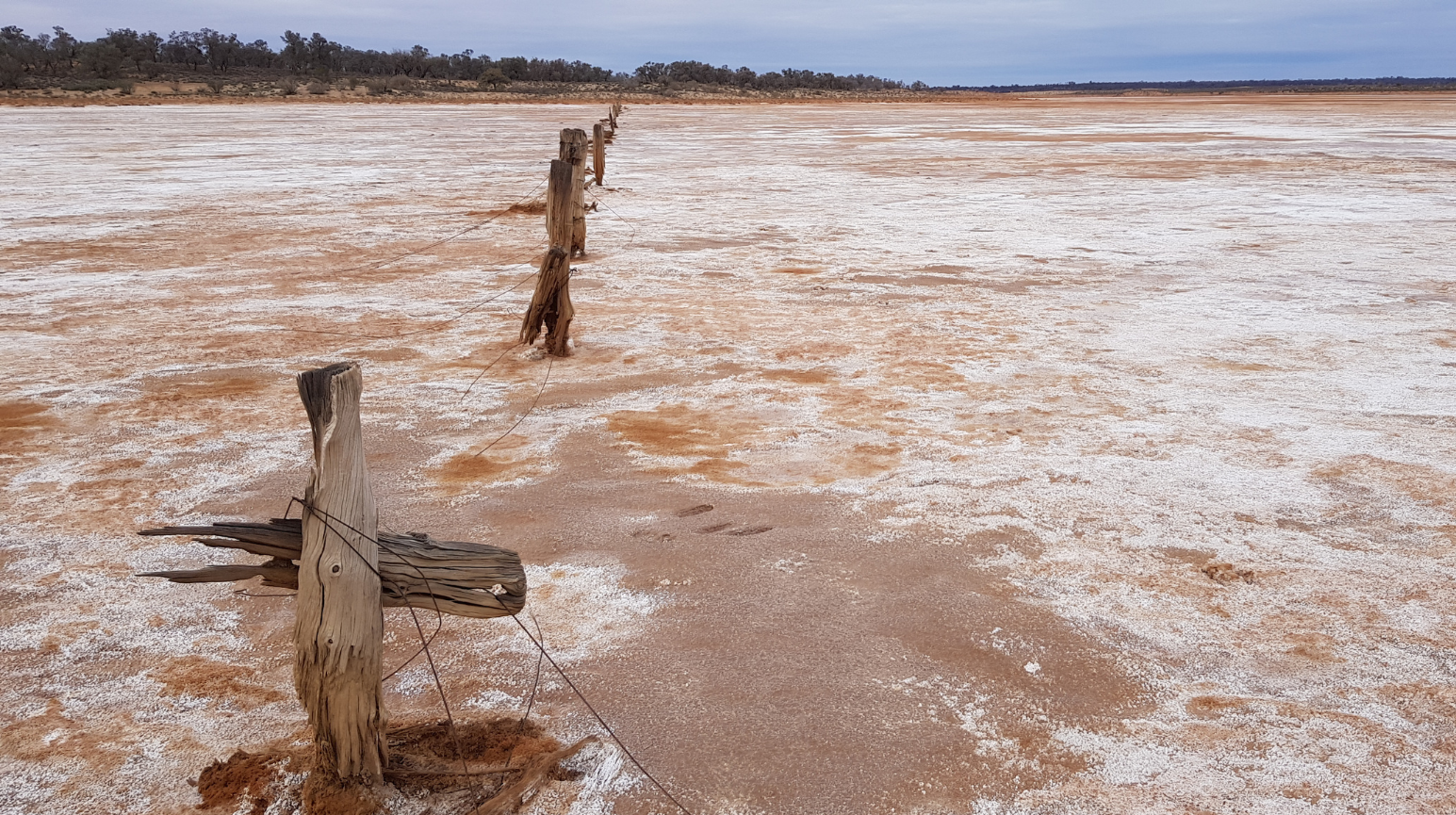
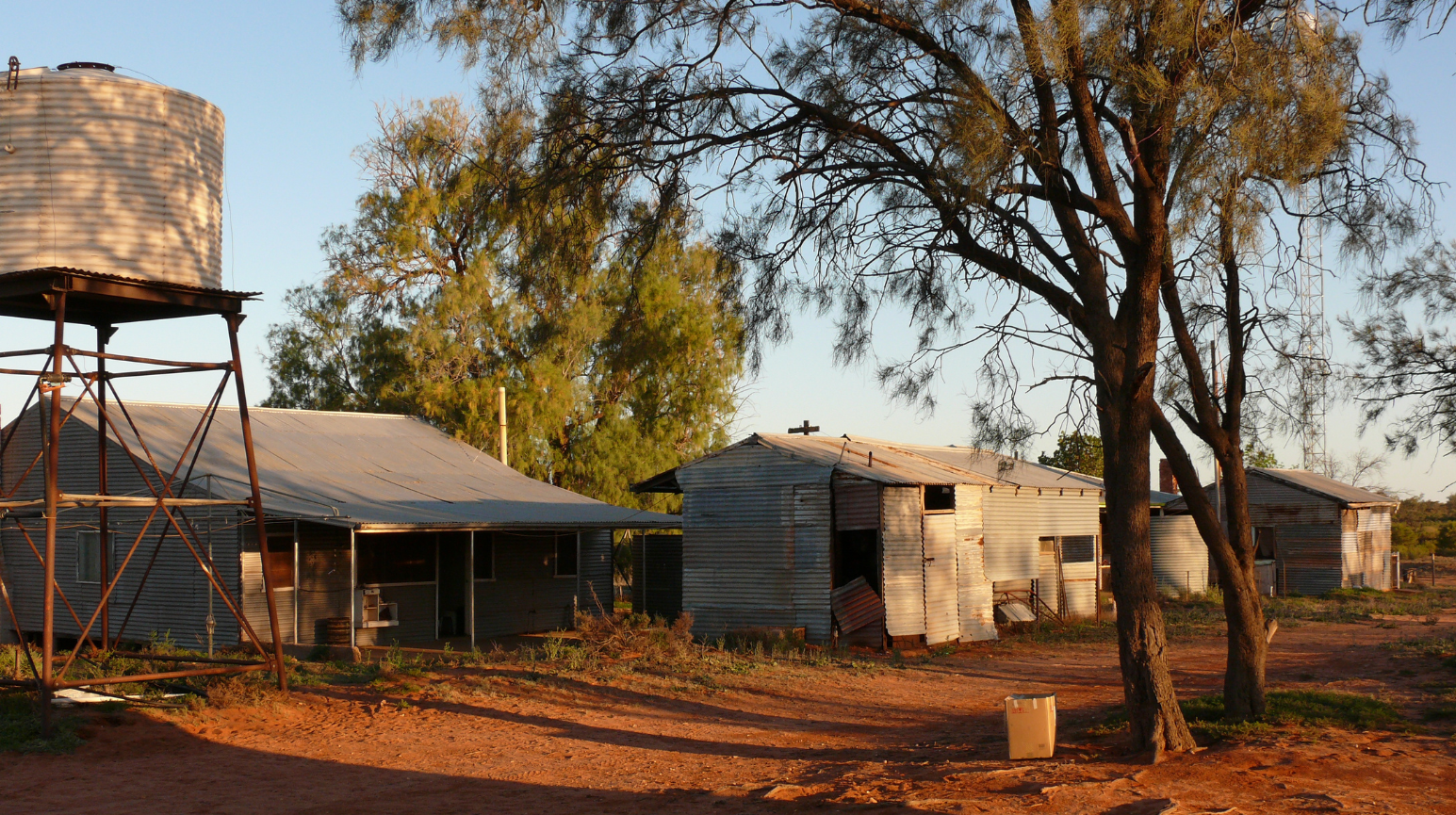
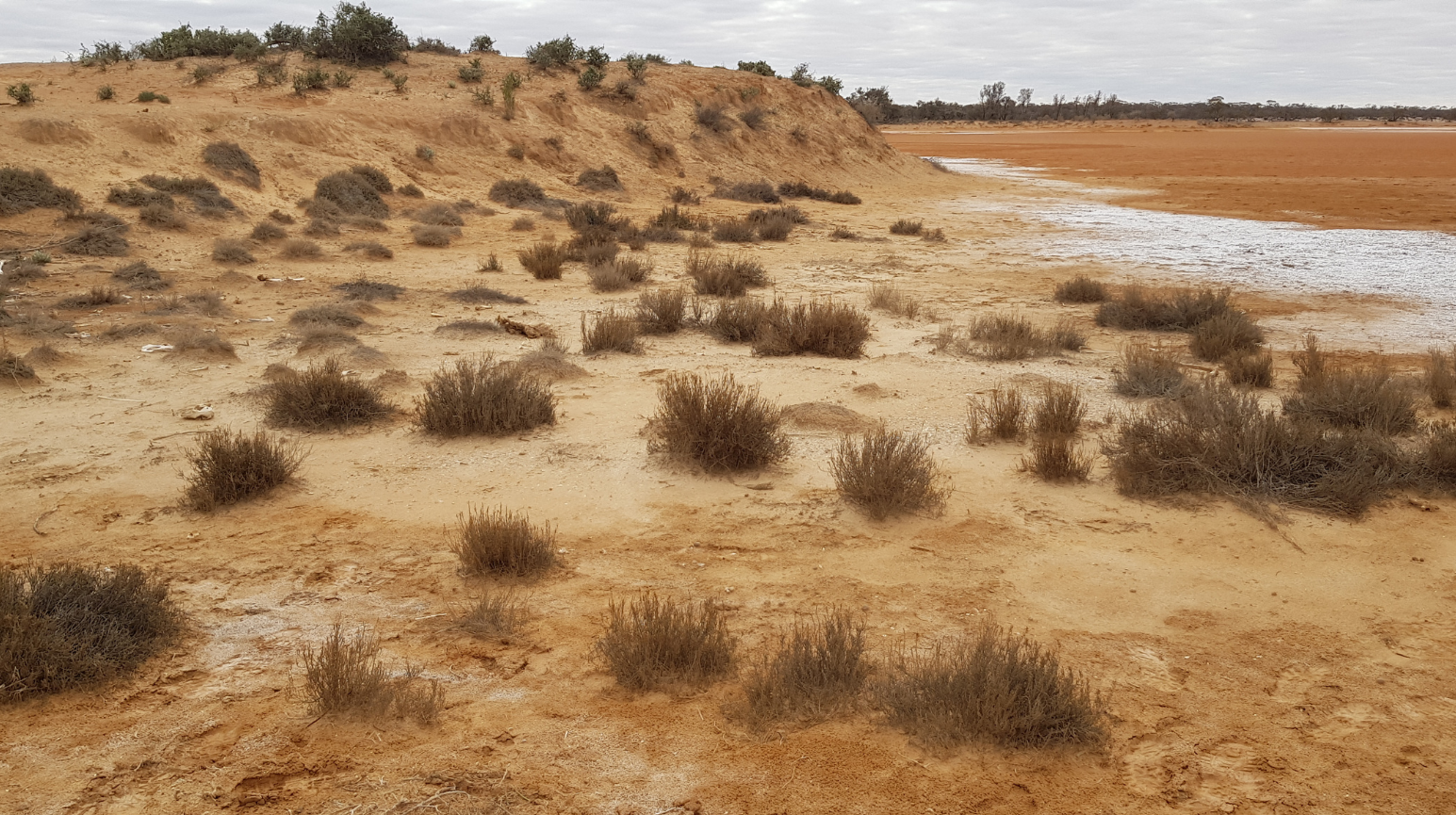
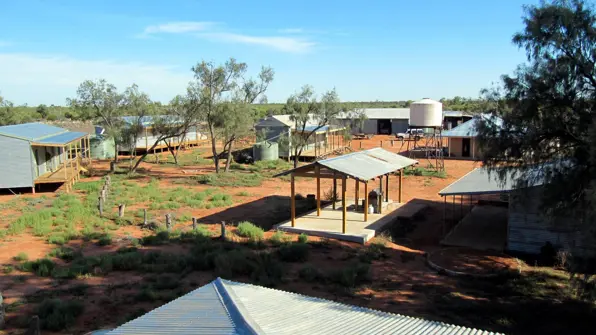
The property features natural salt lakes, intact mallee vegetation with extensive old growth and a range of other ecosystems, which is why it's such an important site for research, conservation and education. The land is used by staff and students to study biodiversity, species distribution, land management and environmental change. The homestead can accommodate more than 40 visitors.
Nanya is on Barkindji country. Little is known about Aboriginal occupation of Nanya. A few artefact scatters were found during surveys before oil exploration in 1985. As there's no major water source, Aboriginal sites were likely restricted to dune locations near soaks or claypans. If any Aboriginal cultural sites are identified at Nanya, they will be managed in consultation with the Barkindji community.
Contact us
If you have any questions about Nanya Station or you'd like to arrange a visit or collaborate with us, please contact Professor Singarayer Florentine.
If you're after Station weather data, please contact Evan Dekker on (03) 5327 9018 or e.dekker@federation.edu.au.
Our work
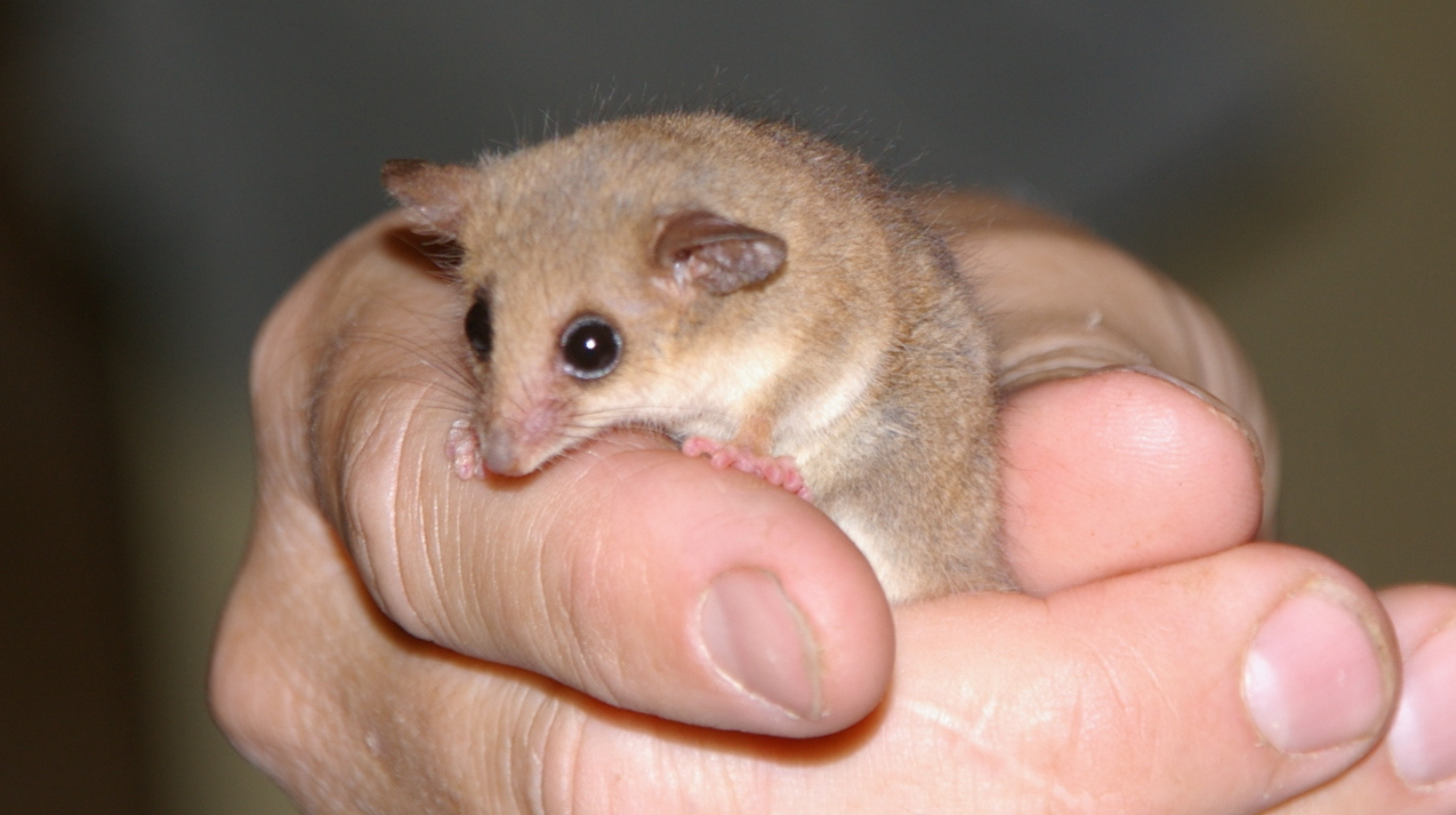
Projects and publications
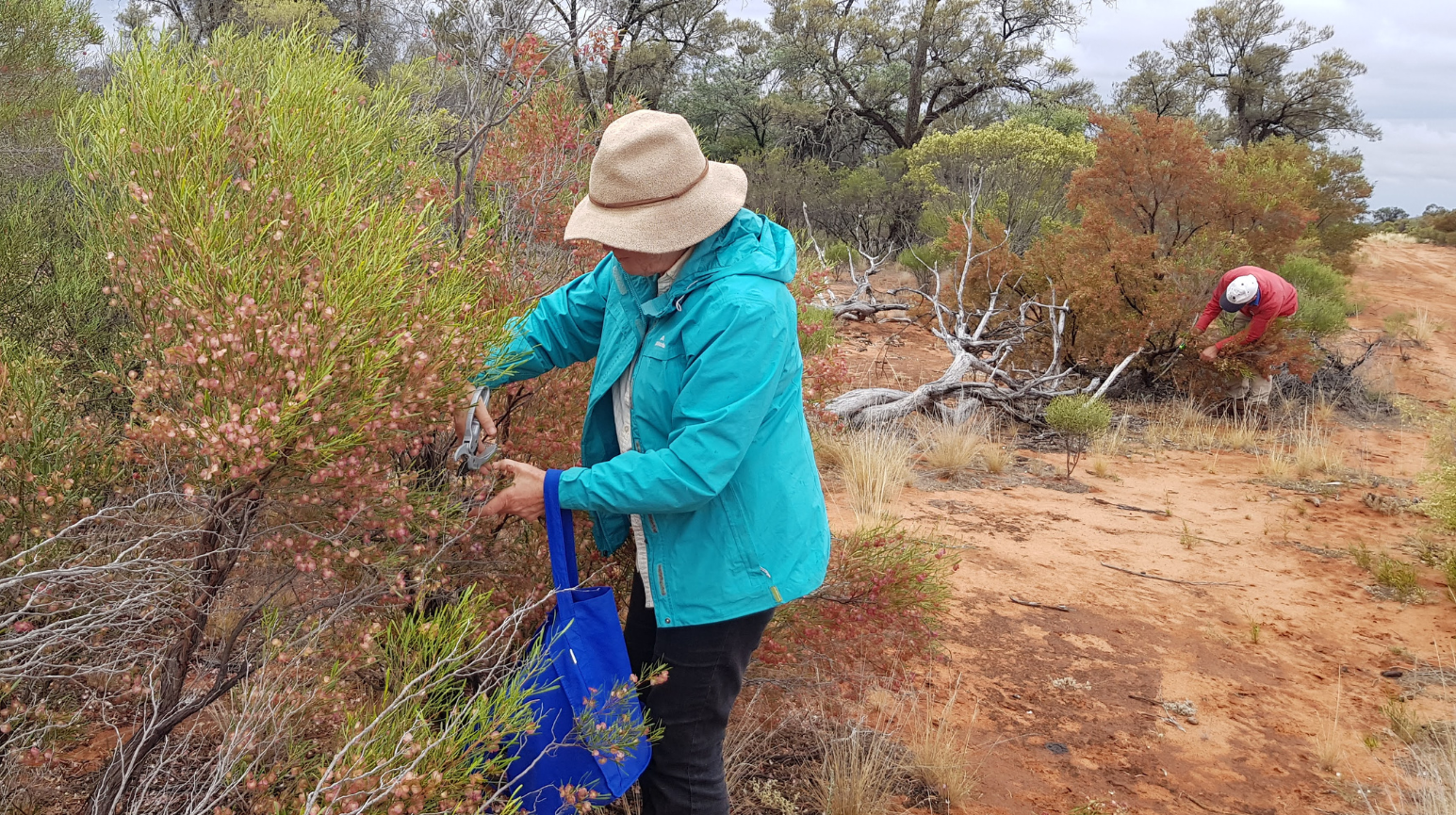
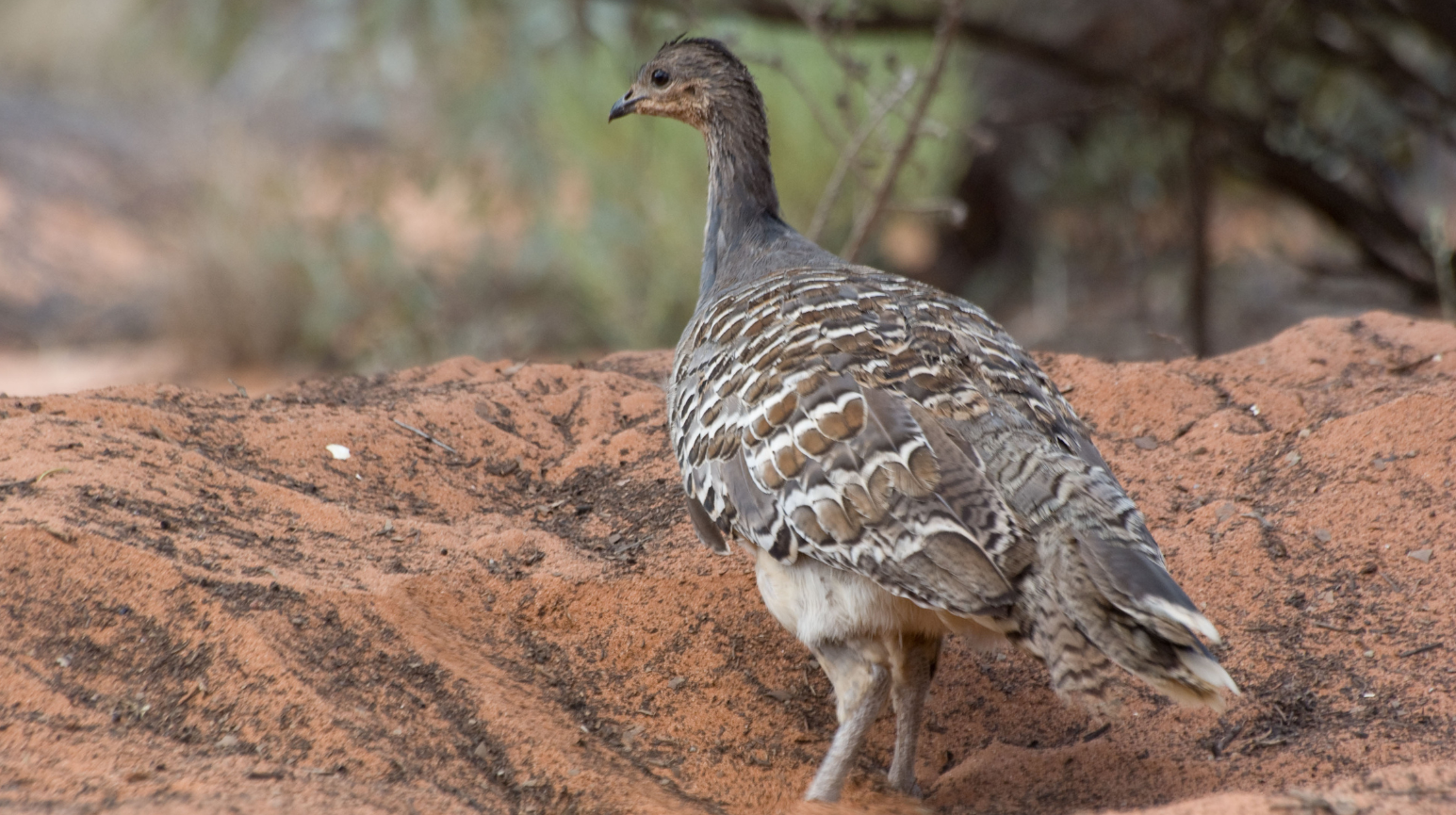
- Malleefowl survey and nest monitoring
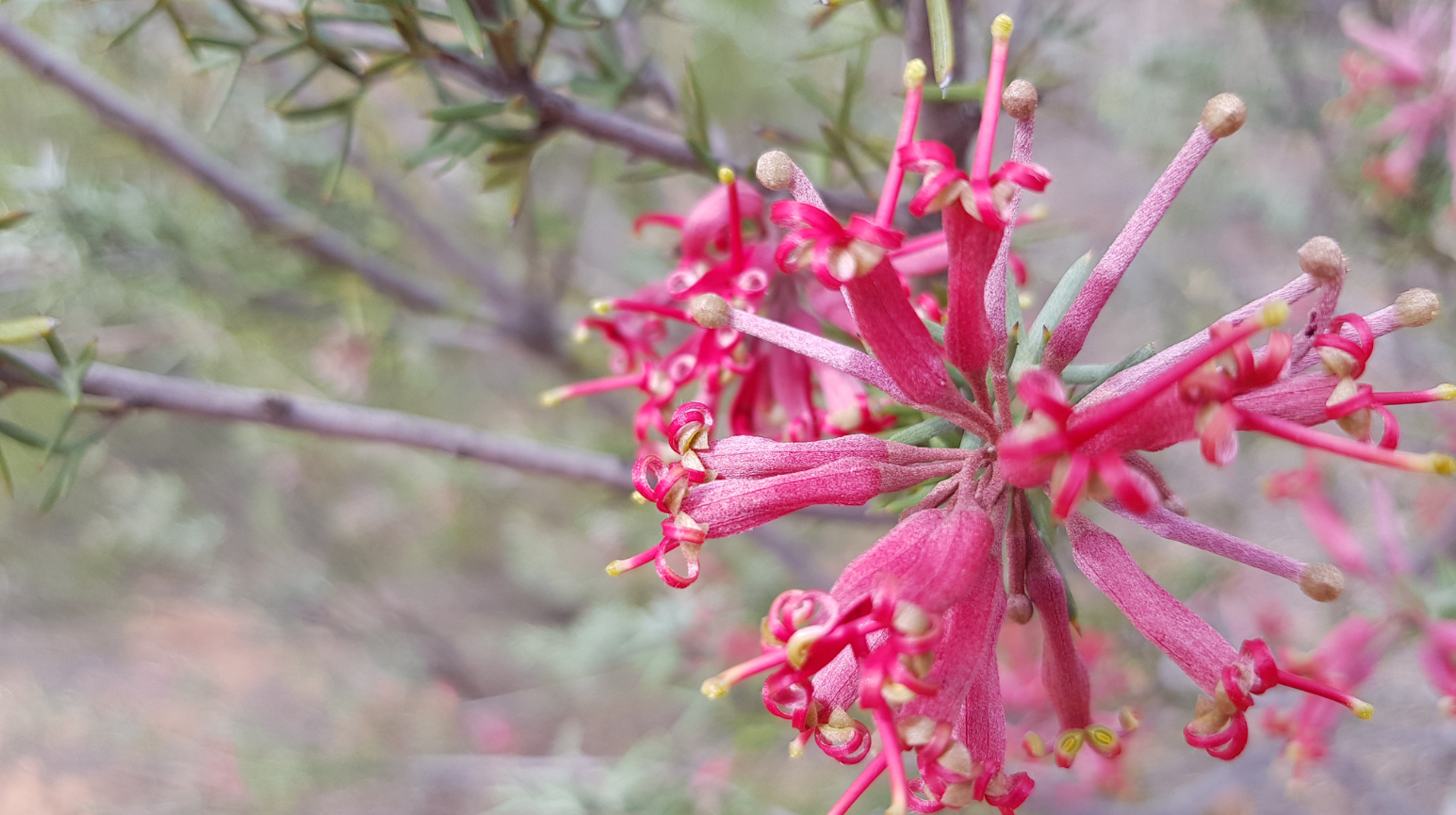
- Effect of grazing, fire and flood on plant regeneration
- Mobility and distribution of mallee birds
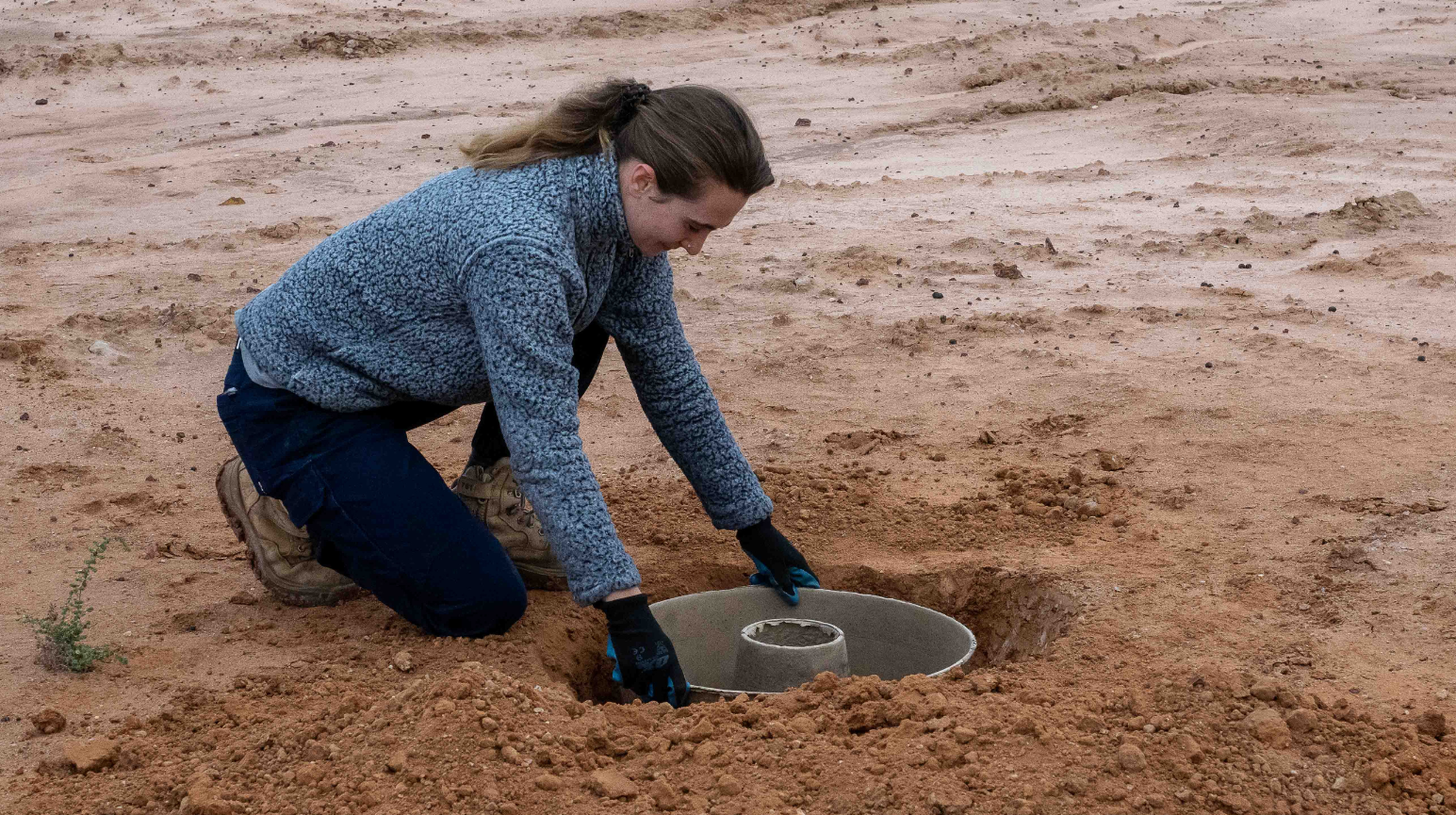
- Effect of ground tank closure on biodiversity (LMDCMA, NSW Environment Trust, NPWS, ARC)
- Arid woodland tree regeneration
- Mallee fire histories
- Plant communities of saline and gypseous soils
- NSW Saving Our Species (with Helen Waudby)
- Restoring functional and resilient mallee woodlands (ARC Industry Fellowship)
- Callister, K. E., S. K. Florentine, and M. E. Westbrooke. 2018. An investigation of the soil seedbank and seed germination of perennial species in Belah (Casuarina pauper) woodlands in north-west Victoria. Australian Journal of Botany 66:202.
- Callister, K., and M. Westbrooke. 2017. A field trial to test effects of watering, seed addition and disturbance on perennial species recruitment in Belah woodland. Ecological Management & Restoration 18:246–249.
- Carly N., Cook, C. N., Wardell-Johnson, G., Keatley, M., Gowans, S., Gibson, M., Westbrooke, M. E. and Marshall, D. (2010). Is what you see what you get? Visual vs. measured assessments of vegetation condition. Journal of Applied Ecology47: 650-661
- Clarke,M., Kelly, L., Avitabile, S., Benshemesh, J., Callister, K., Driscol, D., Ewin, P.,Giljohann, K., Haslem, A., . Kenny, S., Leonard, S., Ritchie, E., Nimmo, D., Schedvin, N., Schneider, K., Watson, S., Westbrooke,M., White,M., Wouters,M., Bennet,A.(2021) Fire and it’s interactions with other drivers shape a distinctive, semi-aird “mallee” ecosystem. Frontiers in Ecology and Evolution. 25
- Clarke, M. F., S. C. Avitabile, L. Brown, K. E. Callister, A. Haslem, G. J. Holland, L. T. Kelly, S. A. Kenny, D. G. Nimmo, L. M. Spence-Bailey, R. S. Taylor, S. J. Watson, and A. F. Bennett. 2010. Ageing mallee eucalypt vegetation after fire: insights for successional trajectories in semi-arid mallee ecosystems. Australian Journal of Botany 58:363.
- Duncan, C., N. L. Schultz, M. K. Good, W. Lewandrowski, and S. Cook. 2019a. The risk-takers and -avoiders: germination sensitivity to water stress in an arid zone with unpredictable rainfall. AoB PLANTS 11:plz066.
- Duncan, C., N. Schultz, W. Lewandrowski, M. K. Good, and S. Cook. 2019b. Lower dormancy with rapid germination is an important strategy for seeds in an arid zone with unpredictable rainfall. PLOS ONE 14:e0218421.
- Dunstan, H., S. K. Florentine, M. Calviño-Cancela, M. E. Westbrooke, and G. C. Palmer. 2013. Dietary characteristics of Emus ( Dromaius novaehollandiae ) in semi-arid New South Wales, Australia, and dispersal and germination of ingested seeds. Emu - Austral Ornithology 113:168–176.
- Florentine, S. K., and M. E. Westbrooke. 2005. Invasion of the noxious weed Nicotiana glauca R. Graham after an episodic flooding event in the arid zone of Australia. Journal of Arid Environments 60:531–545.
- Florentine, S. K., and M. E. Westbrooke. 2005. Exotic plant species invasion in south west New South Wales: influence of a rare flooding event and grazing. Plant Protection Quarterly 20(2):42-45.
- Florentine, S. K., M. E. Westbrooke, K. Gosney, G. Ambrose, and M. O’Keefe. 2006. The arid land invasive weed Nicotiana glauca R. Graham (Solanaceae): Population and soil seed bank dynamics, seed germination patterns and seedling response to flood and drought. Journal of Arid Environments 66:218–230.
- Florentine, S. K., Weller, S., King, A., Florentine, A., Dowling, K., Westbrooke, M., and Chauhan, B.S. (2018). Seed germination response of a noxious agricultural weed Echium plantagineum to temperature and light, pH, drought stress, salinity, heat and smoke. Crop and Pasture Science. 69: 326–333.
- Florentine, S., P. Milberg, J. Di Stefano, M. Westbrooke, and P. Graz. 2015. Decade-long response of arid-land mallee vegetation to fire, flooding and grazing in south-eastern Australia. Journal of Arid Environments 121:7–14.
- Gowan, S, Callister, K., Westbrooke, M. and Gibson, M. (2005). Vegetation condition assessment of the semi-arid woodlands of Murray-Sunset National Park, Victoria. Victorian Naturalist, 122: 85-93.
- Graz, F. P., M. E. Westbrooke, and S. K. Florentine. 2012. Modelling the effects of water-point closure and fencing removal: A GIS approach. Journal of Environmental Management 104:186–194.
- Greenslade, P., S. Florentine, and G. Horrocks. 2012. Long-term effect of fire, flood and grazing on invertebrates in Australia’s arid zone: Collembola and Formicidae. Soil Organisms 84(3):569-587.
- Humphries, T., F. F. Graz, and S. K. Florentine. 2018. Factors affecting the germination and emergence of a rangeland weed: European heliotrope (Heliotropium europaeum L.). The Rangeland Journal 40:583.
- Javaid, M. M., S. K. Florentine, H. H. Ali, and B. S. Chauhan. 2018. Environmental factors affecting the germination and emergence of white horehound (Marrubium vulgare L.): a weed of arid-zone areas. The Rangeland Journal 40:47.
- Nimmo, D. G., Avitabile, S, Banks, S.C., Bliege Bird, R, Callister, K, Clarke, M., Dickman, C., Doherty, T.S., Driscoll, D, Greenville, Haslem, A, Kelly, L., Kenny, S., Lahoz-Monfort, J., Lee, C., Leonard, S., Moore, H., Newsome, T., Parr, Ritchie, E., Schneider, K., Turner, J. Watson, S., Westbrooke, M., Wouters, M., White, M., Bennett, A. (2018). Animal movements in fire-prone landscapes. Biological reviews Biol. Rev. 94, 981- 998.
- Parvin, N, Awrangjeb, M, Irvin, M, Florentine, S, Murshed, M, Lu, G. 2021. Detection of Malleefowl Mounds from Point Cloud Data. 2021 Digital Image Computing: Techniques and Applications (DICTA), 1-7
- Warnock, A. D., M. E. Westbrooke, S. K. Florentine, and C. P. Hurst. 2007. Does Geijera parviflora Lindl. (Rutaceae) facilitate understorey species in semi-arid Australia? The Rangeland Journal 29:207.
- Westbrooke, M.E. (2005). Relationship between perennial species richness and distance from water in Casuarina pauper (Belah) woodland. Victorian Naturalist, 122: 57-62
- Westbrooke, M. 2012. The Pastoral History, Biological and Cultural Significance of the Scotia Country, far Western New South Wales. Proc. Linn. Soc. N.S.W.:14.
- Westbrooke, S and M. Westbrooke. 2016. Balancing heritage and environmental conservation management of small homestead leases in a remote pastoral landscape. Historic Environment 28(1)58-68.
- Westbrooke, M. E., and S. K. Florentine. 2005. Rainfall-driven Episodic Flood Events: are they a major factor in moulding New South Wales arid land vegetation patterns? Australian Geographer 36:171–181.
- Westbrooke, M. E. and Florentine, S. (2013) Monitoring arid woodland regeneration 1192-2011. Final report to South Australian Native Vegetation Council. Centre for Environmental Management, University of Ballarat.
- Westbrooke, M. E. and Florentine, S. (2014) Impact of flooding in the Olary Creek – Damage and recovery 1997-2013. Final report to South Australian Native Vegetation Council. Centre for Federation University, Ballarat.
- Westbrooke, M. E., S. K. Florentine, and P. Milberg. 2005. Arid land vegetation dynamics after a rare flooding event: influence of fire and grazing. Journal of Arid Environments 61:249–260.
- Westbrooke, M. E., J. D. Miller, and M. K. C. Kerr. 1998. The vegetation of the Scotia 1: 100 000 map sheet, western New South Wales Cunninghamia 5(3):665-684.
- Zimmer, H. C., S. K. Florentine, R. Enke, and M. Westbrooke. 2017. Rainfall and grazing: not the only barriers to arid-zone conifer recruitment. Australian Journal of Botany 65:109.
Take a look around

Arrange a visit to Nanya
You'll need to apply and meet access requirements to visit Nanya Station. Contact Professor Singarayer Florentine to find out more.
The Station is located between Mildura and Broken Hill in New South Wales, around 120 km north-west of Mildura.
If you're driving
From Mildura, drive north on the Silver City Highway, following signs to Wentworth and Broken Hill. Turn left off the highway at the crossroads 90 km north of Wentworth, following signs to Belvedere and Scotia Sanctuary. This is a well-graded sand road. Veer right as you approach Belvedere Station (about 23 km from the turn-off). Shortly after passing Belvedere Station, cross the main gravel road and take the left of the two tracks. Nanya Station entrance is another 13 km, and the homestead complex a further 9km.
If there has been heavy rain, take the Pine Camp Road (10 km further on the Silver City Highway).