
Arts Academy
The Arts Academy is a dynamic collective of creative minds who work together to present regional stories for a global audience.
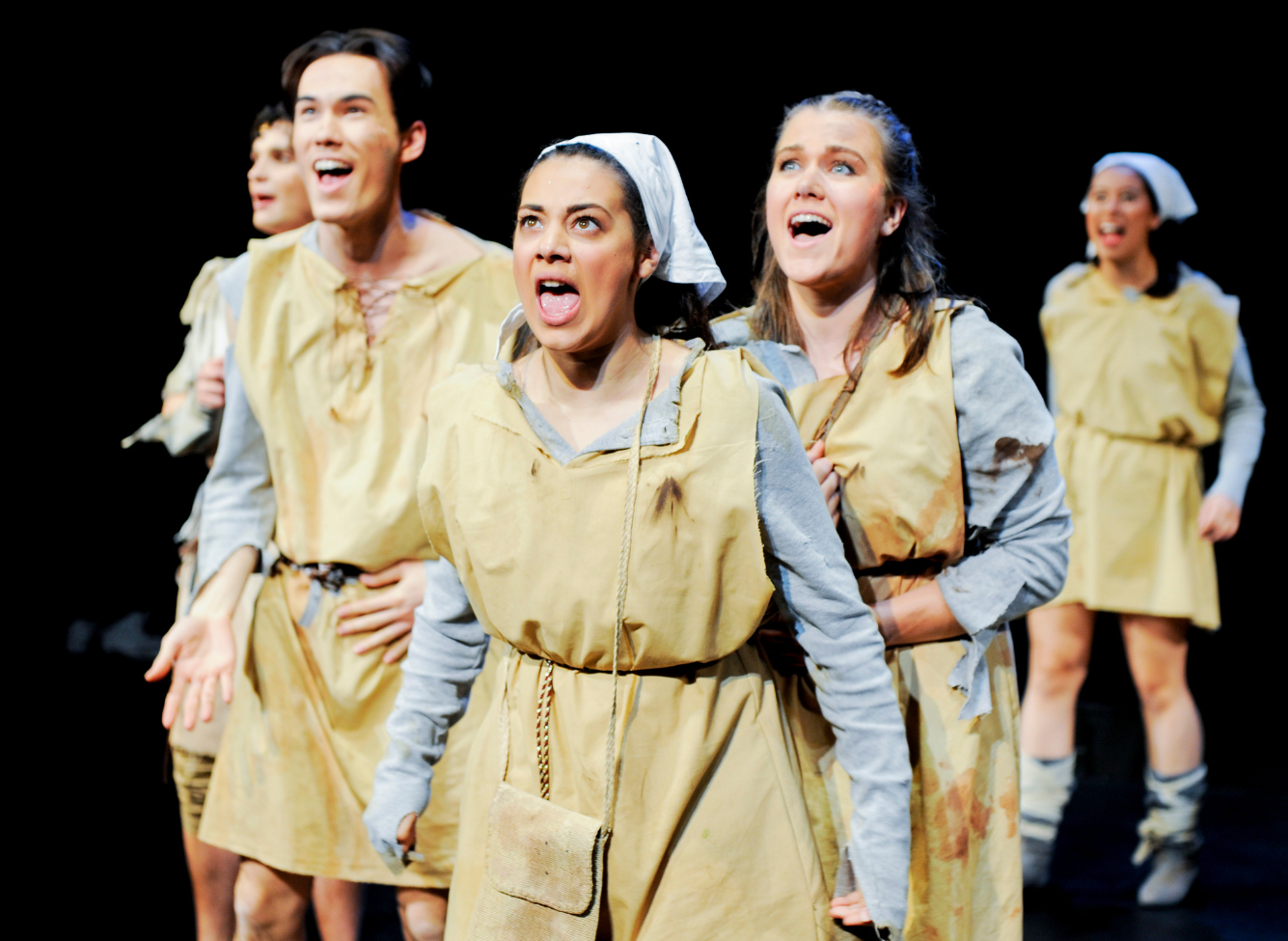
If you're looking for the creative hub of Federation – the storytellers, the movers, the inspired (and inspiring) – you've come to the right place. The Arts Academy is a supportive, collaborative environment that brings together teaching, creative practice and research. We nurture artists, designers and performers at every stage, and showcase their work through exhibitions, performances, screenings and events.
Study areas

Performing Arts
A career in the performing arts requires a multi-disciplinary approach to training. Our courses prepare students for a range of stage, screen and behind-the-scenes roles.


Visual Arts
Our courses focus on collaboration and self-initiated creative practice. We provide students with the practical skills they need for the evolving contemporary art landscape.

Research
We give our researchers access to practical resources, peer networks and professional development opportunities so they can deliver research that makes a real difference.
Upcoming events
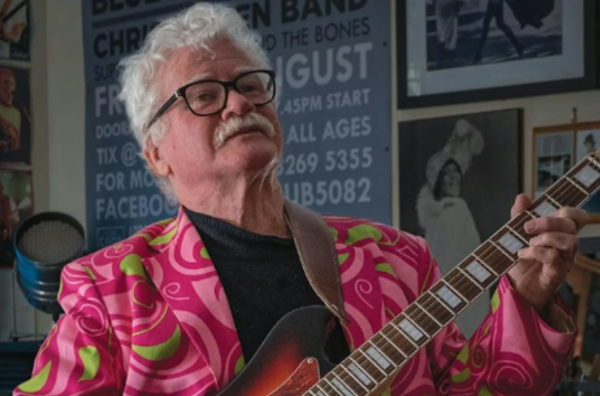
Sunday 25 October
Arts Academy (Ballarat)
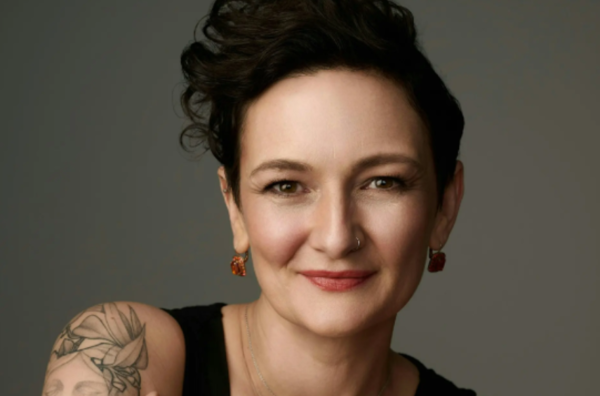
Sunday 15 November
Arts Academy (Ballarat)
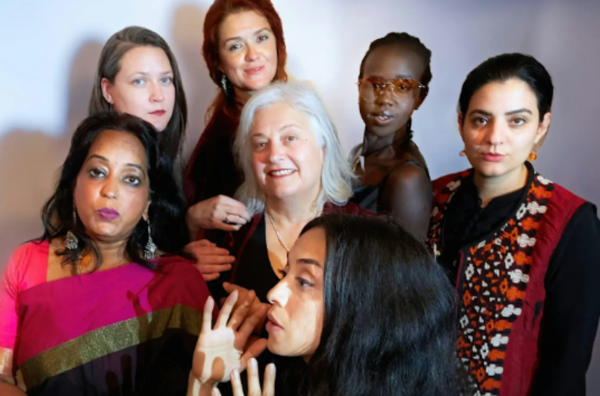
Sunday 29 November
Arts Academy (Ballarat)
Post Office Gallery exhibitions
The Post Office Gallery on Lydiard St shows work by Arts Academy students and alumni, Federation University staff, and a range of local, emerging and well-known artists. Bookmark our exhibitions webpage so you can plan your next visit.
Ballarat Cabaret Festival partnership
Explore our spaces
Dedicated performing and visual arts campus
Theatres, galleries and studios
- Ceramics studio
- Post Office Gallery
- Black Box Theatre
- Helen MacPherson Smith Theatre
- Alfred Deakin Place
Ceramic firing service
Our firing service is open to the general public. Drop your work off during open hours, and we'll let you know when the fired pieces are ready to collect. Find out what it costs and how to prepare your clay for the kiln.
Recent performing arts graduates
Looking for a cast member for your next show? Explore and connect with emerging talent from the Arts Academy.
Research projects
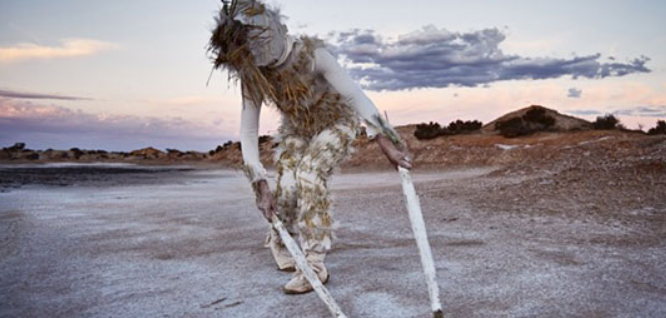
Details
- Artist: Dr Jill Orr
- Years: 2015–2016
- Partners: Helen Vivian (curator), Tasco Inland, Collin Hunt, Mildura Palimpses Biennale 10#
- Grant: Australia Council Fellowship
Events
- 2016: Performance at MIP3 Performance Festival, Belo Horizonte and Sao Paulo, Biennale, Brazil (curated by Fernando Ribiera)
- 2016: Performance at The Quarry, Lorne Sculpture Biennale, Lorne, Victoria (curated by Julie Collins)
- 2016: Photography and video at Fehily Contemporary, Melbourne
- 2015: Performance at Mildura Palimpsest Biennale #10, Mildura
Summary
Humanity’s survival depends on seed, the ultimate container of life but as climate and consequently environment is changing, seed has become contested ground. Political, scientific, environmental and ethical debate surround both genetically modified seed and its reliance on the global monopoly of a few mega agri-businesses. This is starkly contrasted by localised heritage seed closely guarded for its untampered quality. Both forms of seed production are charged with the task of feeding populations as they grow exponentially into the future. Here lies part of our challenge.
Antipodean Epic is a poetic journey that incorporates seed both in abundance and scarcity. The work utilises costume to create three characters, or creatures, as a means to ask:
- Are the creatures the end of their species, or the beginning of another?
- Are they displaced or transported viral creations?
- Are they unwanted interlopers within the seed stock?
- Are they the carriers of a potential future or remnants of a distant past, or both?
Research contribution
While the successive productions draw from and extend the initial research conducted for the Mildura 2015 Antipodean Epic, the site-specific nature of each incarnation has meant the work was re-invented anew. The new aspect of research in the different sites focuses on adaptability. Achieved through performance as a principle for current social, community and artistic practices, these works are examples of readings and experiences across different cultures and audiences, through which other nuances were brought to light. In other words, the demands of each site and context brought new perspectives and responses both from the performance itself and the engagement of audiences.
Research significance
This work contributes to the current revival of arts practice in the regions, specifically important to Federation University Australia. More broadly, the work has been attended by close to 2,000 people of diverse ages and cultures. The audiences at each event have been international, showing that being regional does not limit artistic communication. Importantly, the work is a platform visualising one aspect of the multifaceted challenges we face through global warming.
Further information
Download the Lorne Sculpture Biennale program (PDF 4 MB)
View Fehily Contemporary: Jill Orr on YouTube
Visit Jill Orr's website
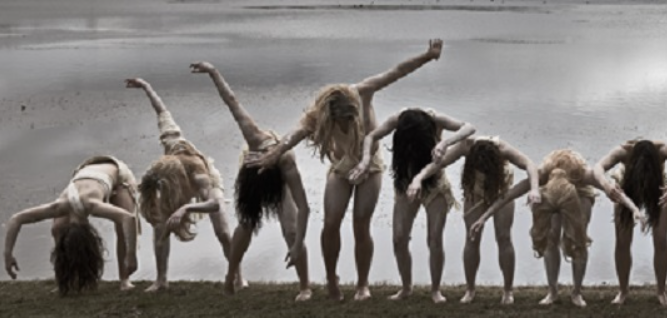
Details
- Artists and collaborators: Dr Jill Orr, alumni and current Federation students, Christina Simons
- Partners: Federation University Australia, Ballarat International Foto Biennale (BIFB)
Events
- Filming: Lake Wendouree, Ballarat
- Exhibition: BIFB Fringe Program, Helen MacPherson Smith Theatre, 19 August to 17 September 2017
Summary
Cracks in the Seams was a performance video work based around a site in Lake Wendouree, Ballarat. Accompanied by photographer Christina Simons, we directed a cast of 15 dancers towards a performance for the camera that was presented as an exhibition in the Ballarat International Foto Biennale (BIFB).
This is a work of transformation, beauty, fragility and mystery expressed within the silvery waters of Lake Wendouree. These images of trust, endurance, strength and collaboration are a testament to the performing arts students and alumni whose ability to work despite the freezing conditions was extraordinary.
Thank you to Verity Wood, Kayla Roberts, Tessa Luminati, Braydon Bowles, Bree Cummins, Catherine O’Callaghan, Mitchell Wigg, Sheridan Herbertson, Olivia Jordon, Roxy Tamlin, April Garreffa, Caitlin Zacharis, Bradley De Vries, Blake Aaron and Kate Tomkins.
Research significance
This work contributes to the current revival of arts practice in the regions, which is especially important to Federation University Australia. The 12th Ballarat International Foto Biennale was attended by over 27,000 people of diverse ages and cultures. The audiences were international, showing that being regional does not limit artistic communication.
Further information
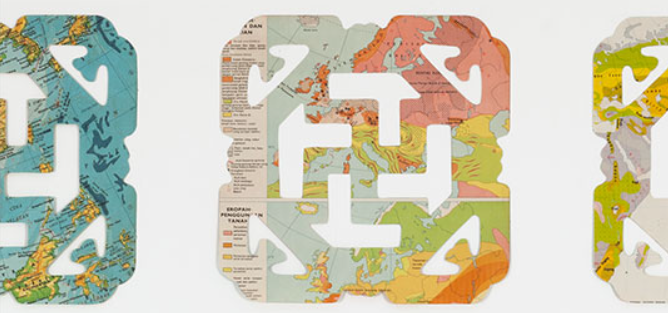
Details
- Artist: Dr Carole Wilson
- Exhibition dates: 28 May to 26 June 2016
Summary
The works in this exhibition bring together Carole Wilson’s sensitive observations and intuitive reading of pattern and colour as experienced during an artist’s residency in George Town, Penang, in 2014. Inspired by the tiles found on the walls and floors of the small shop houses that are such a feature of the city, Wilson has responded to the rich heritage of place and the manner in which small recurring details and motifs speak of the lives of people shaping their communities and their histories.
As one of Malaysia’s oldest cities, George Town bears evidence of people who have come to live and trade in the area over the centuries. The array of significant buildings placed side-by-side on these streets conveys the different religious, cultural and economic activities of generations of people from many countries, including Malaysia, Great Britain, China and India, and led to the city being recognised as a UNESCO World Heritage site. The architectural forms of the mosques, temples and churches present that heritage writ large, but it is also visible in the smaller dwellings, the shop houses, where the commerce of the everyday takes place. And it is here in the shop houses, with their distinctive tiles that are a dominant feature of the entrances, that the cultural melting pot is enacted. Also known as the Peranakans, the people who lived on these streets adapted their own cultures to both those of the locals and those of the other immigrants, thereby creating something new and unique. The tiles represent that mix of cultures, as while many could just as easily be seen in the fashionable homes of London at the turn of the century, many others include motifs and colours distinctive to similar wares coming from China and elsewhere.
By working with maps from old school atlases sourced in second-hand bookstores, Wilson draws our attention to the role of maps in denoting the specifics of place and yet by cutting into them or using small segments, sometimes scraps, that role is challenged. As the audience for these atlases was children, the various maps record a great deal of information about Penang Island, Malaysia and South East Asia more broadly, but do so in a fairly straightforward and intensely coloured manner. The territories that the settlers traversed, the sea lanes that the traders navigated, and conditions such as rainfall and topography are all shown in clear and colourful detail. Yet by cutting into these maps to highlight the patterning found in tiles in the shops, Wilson brings us back to the realities of lives lived in these places, the commercial interaction of people and shopkeepers on the streets.
Jalan Chowrasta, for example, is the name of one of the streets that borders the market, a market that was established by the Indian community in the nineteenth century. It is also the title of one of Wilson’s large grid works. The patterns of the tiles are cut from map pieces, which are then repeated to create an overall pattern resembling a section of a wall. Computer technologies mean that we now expect repeated shapes and patterns to be machine-made, each component a replica of the one before and the one after. But this is not the case here. The maps themselves are carefully selected for their colouring and density of lines and forms, and then the incisions are very delicately made by hand. Each shape that is cut into the surface is true to a part of a tile, and each part is true to the pattern.
This is similarly the case with the Lorong Ceylon works in that they too are made from maps, but here it is the motifs and shapes on the tiles themselves that are cut out as positive forms. Each of these components is then hand-stitched onto paper. In Lorong Ceylon 2, for example, the beautiful floral form in an array of colours from delicate whites and soft blues through to rich reds and vibrant yellows is positioned on the paper by a simple red stitch on a black spot. Here, Wilson is also drawing on the activities that went on in these shop houses. Indeed, it is still possible to see the shopkeepers making their traditional handicrafts ready for sale. This includes such things as handmade paper, objects woven with rattan and bamboo, through to delicate and intricate beaded shoes. In Lorong Ceylon 7, the numerous small circles stitched onto the paper in a running stitch evoke a sense of beading and the way that numerous small stitches and many small components are held together to create something new.
Working with maps is becoming quite a hallmark of Wilson’s recent exhibitions - friends sending special and rare finds unsolicited is perhaps an indication of this! However, as with the maps themselves, each exhibition and each series of works has its unique narrative, a distinctive response to the sense of place and a perceptive use of detail to represent larger concerns. In Field Notes Penang, the maps of the country, land formations suitable to settle, and seas to navigate have been transformed into quiet reflections on the beauty of colour and pattern in a place where many cultures came together and lived and worked in harmony.
Further information
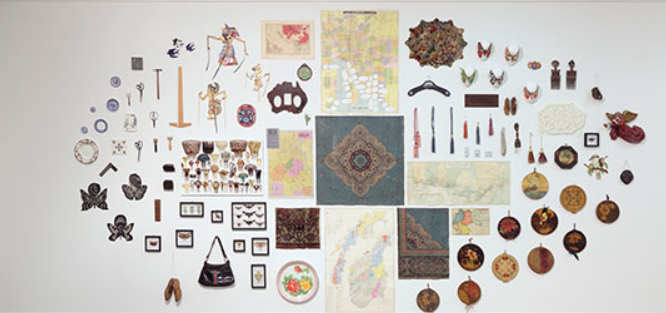
Details
- Artists and collaborators: Dr Carole Wilson. Dr Loris Button. Deborah Klein, Louise Saxton
Exhibitions
- Warrnambool Art Gallery (18 March to 12 June 2017)
- Art Gallery of Ballarat (29 July to 17 Sept 2017)
Summary
Australia is home to at least seven different types of bower-birds, so the concept of a bower provides a powerful symbolic focus for this exhibition. A bower may be described as an enclosed space, a 'sanctuary', or a space in the natural world in which objects are gathered. It has a connection to the garden – to plants, birds and insects, and in medieval times, the bower referred to a woman's private space.
Aspects of these meanings can be found, to greater or lesser extents, in the work of visual artists Loris Button, Deborah Klein, Louise Saxton and Carole Wilson, gathered together in From the Bower: Patterns of Collecting. The artists have much in common, including the vital connection of their studio practices to both the garden and domestic environments, their love of gleaning and a shared association with regional Victoria.
Perhaps the strongest link between these four, however, is their personal collections, each a singular wunderkammer that, in the main, is housed in their studio spaces, and which stimulates and directs their imagery. The collections range from curiosities, natural history specimens, memorabilia, discarded books and china, domestic textiles, carpet and linoleum, and old tools of trade. In some cases, selected objects from the collections are destined to become the basis for the artwork itself, most notably discarded domestic needlework in the femmages of Louise Saxton and the maps and atlas pages in the cut and layered paper works of Carole Wilson. Wooden pattern blocks collected by Loris Button are sources of aesthetic pleasure, but have also proved to be invaluable in the production of her prints. Other items, including a diminutive plan cabinet discovered by Deborah Klein in a Melbourne op shop, are incorporated into the work as the foundation for an entirely new collection of miniature watercolours.
A degree of commonality in the collected objects in each of the artists' studios is apparent. There tend to be some inherited objects from family members, usually a parent or grandparent and occasionally objects from their childhood, in particular dolls or toys. Australiana and kitchenalia in all their broadest forms are represented in each collection as well, from wooden doily covers to ceramics and old biscuit tins. Haberdashery paraphernalia in the form of buttons, cottons, dress patterns and sewing tins is another common element. Additionally, all the artists have treasured objects which have been collected whilst on international artists’ residencies, ranging from a well-worn Parisian snow dome to a set of 1920s Italian tour guide books.
Each of the artists connects with or interrogates their collection in myriad ways, at both a subtle level and more literally. For some of them, the material and objects collected from the very fabric of their art, whilst for others, it is a source of their inspiration and imagery. The artists source their objects from opportunity shops, junk shops, garage sales and markets, both at home and while travelling. Andre Breton said of flea markets, '…I go there often, searching for objects that can be found nowhere else, old-fashioned, broken, useless...' [1] We can also add objects that are disused, discarded and even disinherited. Opportunity shops and flea markets are, in a way, a kind of ‘bower’ where objects are gathered and which reflect the lives of many other people.
For most artists, the privacy of the studio is sacrosanct. Comparatively few people will ever witness where artists 'get their ideas from' and the process involved in making the work. This exhibition displays key items from the respective studio collections of the four artists, in juxtaposition with artworks that emphasise the connection between the two. The accompanying installation highlights the artists’ contrasting and common influences, interests, methodologies and iconography.
[1] Plant, M, “Shopping for the Marvellous: Life of the City of Surrealism” in Surrealism: Revolution by Night, Canberra: National Gallery of Australia, 1993.
Article
- Art Monthly Australasia, Issue 296 (March 2017)
Details
- Artists and collaborators: Peter Pilven, Skepsi Gallery
- Partner: Federation University
Exhibitions
- The Barn Gallery at Montsalvat, Eltham, Victoria (5–19 August 2017)
Summary
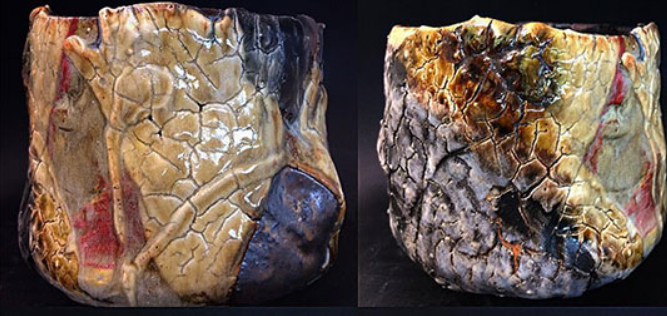
Identity – Contemporary Australian Ceramics featured the work of 47 established and early-career Australian artists. Presented by Skepsi Gallery, the exhibition included works by Arts Academy family members, Peter Pilven and Ruby Pilven.
Further information
Details
- Artists and collaborators: Dr Angela Campbell, Amy Tsilemanis, Chrissie Smith, Dr Tanja Beer
- Year: 2014
- Partner: City of Ballarat
Summary
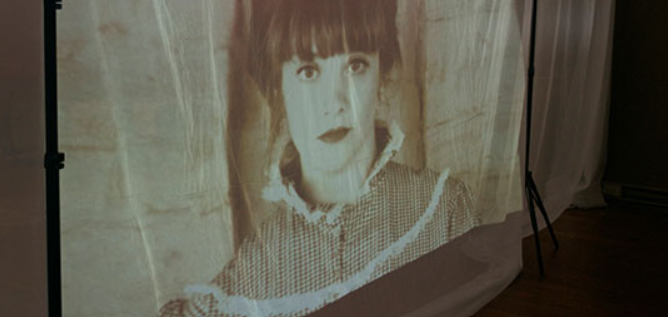
This performance event for the 2014 Ballarat Heritage Weekend festival is a researched, documented and evaluated ongoing collaboration between the Arts Academy and the City of Ballarat. Through transdisciplinary arts practice, it activates a sense of place for public audiences. It sits within the Heritage Strategy of the City of Ballarat, and its impact and significance are amplified through Ballarat’s involvement as a pilot study in the UNESCO Historic Urban Landscape (HUL) program. Since 2013, HUL has worked to elicit values of ‘place’ for public policy development and environmental planning.
This multi-award-winning project provides a template for research into community engagement through site-specific performance and design, alongside traditional research. Three peer-reviewed research papers relating to this project have been published.
The following papers offer evidence-based research for learning and teaching through performance-based, Work Integrated Learning (WIL) curricula developed by Dr Campbell with students, in collaboration with the City of Ballarat for Heritage Weekend. The two-year study (2013–2014) includes qualitative and quantitative measures, capturing audience and student responses to student performances.
Conference papers
- Dr Angela Campbell, “Performing Cultural Heritage: Authenticity and the Spirit of Rebellion” International Federation Theatre Research. FIRT/IFTR World Congress, University of Warwick, UK, 2014.
- Dr Angela Campbell, Chrissie Smith and Amy Tsilemanis, “An exploration of the challenges of Living Heritage, an interdisciplinary collaboration between the University and City of Ballarat” Open Dialogue Conference, Federation University Australia, 2014.
- Dr Angela Campbell, “Restoring the past: cultural heritage, pedagogy, sustainability and DIY Drag” Australasian Drama Studies Association, Victoria University, Wellington, NZ, 2015.
- Dr Rachael Hains-Wesson and Dr Angela Campbell, “What’s so unique? WIL with performing arts students”, WIL La Trobe University.
- Dr Angela Campbell, “Postcards from Now: Reconfiguring the Cultural Heritage of Ballarat in Two Performances”, Cultural Studies Symposium, University of Ballarat, 2013.
Publications - Campbell, Angela, “Performing Cultural Heritage: Authenticity and the Spirit of Rebellion”, Australasian Drama Studies, 66, April 2015. This paper provides a scholarly context for performative interpretations of tangible and intangible heritage. It provides a theorised and place-based overview into the performance of historical landscape and heritage in contemporary Australia.
- Hains-Wesson, Rachael and Angela Campbell, “Creating curricula through responses to students street performance” IIER (Issues in Educational Research), IIER 24(3), 2014.
- Hains-Wesson, Rachael, Vikki Pollard and Angela Campbell. "Street Performing Arts Students' process of improvisation for teamwork: A Three-stage Model". IIER 27(1), 2017.
Awards
- Living Heritage: Trades and Tradition, 2015 National Trust, City of Ballarat Heritage Innovation Award for 'excellence, innovation and best practice in heritage' to Angela Campbell (performing arts), with Chrissie Smith (communication design) and visiting artists, Tanja Beer and Amy Tsilemanis.
- $10,000 Future Designers Program Award (Industry Engagement Plan, Department of State Development, Business and Innovation, Victoria), an industry grant that matches equal contributions from universities and business (in this case, Federation and the City of Ballarat).
Further information
Details
- Artist: James Pasakos
- Partners: Tacit Art, Federation University
Exhibition
- Tacit Contemporary Art Gallery, Melbourne (November 2016)
Summary
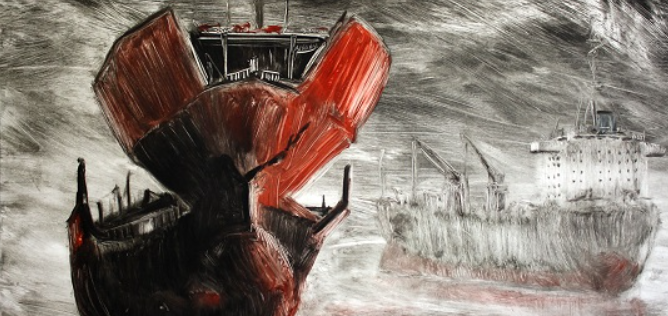
James (Jimmy) Pasakos presented new works in a solo exhibition. The works consisted of dry-point and monotype prints.
The overall theme of the exhibition saw Pasakos revisit his core work of the Melbourne Docklands and its surrounding areas. A passionate theme for the artist, he has developed works of this nature over many years. The theme continuously informs Pasakos’ identity while simultaneously presenting new narratives to explore.
Further information
Details
- Artists and collaborators: Dr Rick Chew (music), Rufus Noris (libretto), Director of the National Theatre, London
- Partner: City of Ballarat
Summary
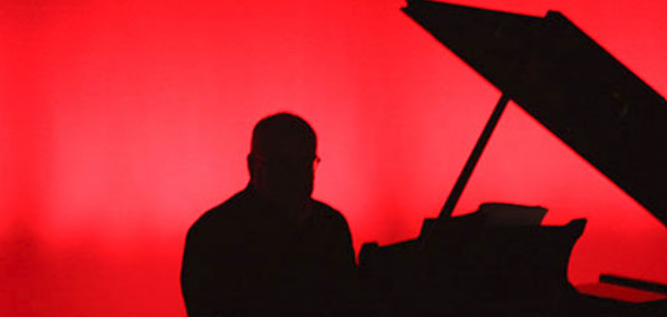
This new music theatre work was created especially for Ballarat Heritage Weekend 2017. It was written by Dr Rick Chew and Rufus Norris, English librettist and Director of the National Theatre, London. Students from the Arts Academy’s renowned music theatre program were the first to present the work in Australia.
The Spirit Level is an opera in one act and 13 scenes. It tells the story of Agatha Banks, a Victorian woman, a wife and mother, who is committed to a mental asylum by her husband William when he discovers that she has been taking part in covert spiritualist meetings with her female friends.
The piece was commissioned by the English National Opera for their youth company, The Knack. It bucks the trend of many 19th-century period dramas in that there are 21 women in the cast and only three men. The Spirit Level is by turns surreal, comic and deadly serious.
The Spirit Level is based loosely on the case of Louisa Lowe, who appeared before a Parliamentary select committee in 1887, claiming that she had been wrongfully incarcerated in a lunatic asylum by her husband for being a spiritualist.
Participants
Dr Angela Campbell (Arts Academy), Tom Gutteridge (Facilitator), Dr Michelle Duffy (Federation University, Gippsland), Dr Tanja Beer (Uni Melbourne), Prof Peter Gell (Federation University, Environmental Management), Dr Jessica Reeves (Federation University, Environmental Management), Lucinda Horrocks (Wind and Sky Productions), Jary Nemo (Wind and Sky Productions), Dr Carole Wilson (Arts Academy, Ballarat), Dr Richard Chew (Arts Academy, Ballarat), Sharon Turley (Community), Amy Tsilemanis (PhD student, Arts Academy)
Summary
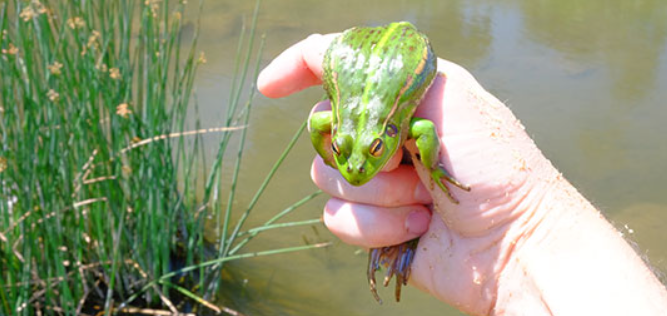
How do waterways map the future against the past? How do we apprehend the past, to plan for the future? Watermark at Narmbool brought science and art together to track the dynamic changes in conditions around Ballarat’s waterways, shaped and shared between humans and non-humans, across interrelated ecological and cultural landscapes.
The paper discusses contemporary explorations of human/animal relations with particular reference to animal extinctions in Australia, in and through performance. Campbell compares two recent works performed in Melbourne: I, Animal, a site-specific work that uses new media and participatory techniques, and a more traditional play, They Saw a Thylacine, that is performed in a theatre. The paper traces how both performances explore the socially constructed hierarchies of power that exist between human and non-human animals. It posits that human constructions of gender, class and race play a powerful role in determining which human and non-human animals survive and thrive, and which do not.
Conference paper
- Dr Angela Campbell, “Performing Extinction: I, Animal and They Saw a Thylacine,” psi, Performance Studies International, University of Melbourne, July 2016.
Publication
- Campbell, Angela. “Journeys into Extinction: I, Animal and They Saw a Thylacine. Ctrl-Z, New Media Philosophy, #6, 2016.
Details
- Artists and collaborators: Dr Jill Orr, third-year acting students
- Date: 27 May 2016
Summary
Third-year acting students worked with Jill Orr to create a new performance work in response to the work of William Kentridge. An exchange of ideas was created through dance, voice and image in a search for communication beyond words. The performance took place at the iconic Mining Exchange in Lydiard St Nth, in central Ballarat.
The work enabled students to experience a different method of creating a performance based on intense improvised sequences that were crafted into a whole event. The success of the work, reflected in the essays students wrote about their experience, showed that their training, which began in their first year, had been finely honed to enable subtle confidence and nuanced listening. The physical and spatial awareness operated as a powerful group entity balanced by individual highlights. The work is collaborative and drawn entirely from the groups’ movement and voice improvisations without reference to text or predetermined form. The bodies have spoken.
A student’s response to the work:
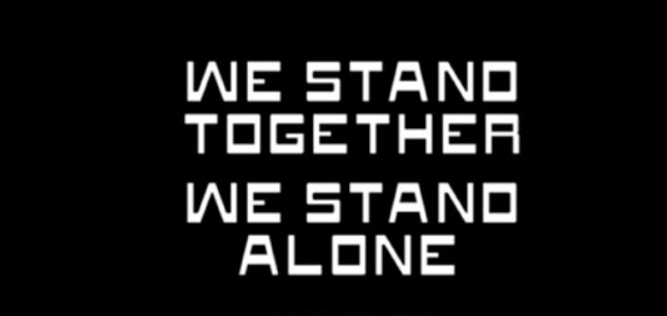
‘We Stand Together, We Stand Alone’ … depicts human nature in a way that is raw and ambiguous, but it also shows relevance to the primal roots. Working with Jill Orr has been an enlightening experience as an emerging artist, highlighting the importance of marrying the voice to the physical self in order to find complete authenticity. Sometimes movement can influence us more than words.
Our staff
Professor Rick Chew, Director
Josephine De Vries, Academic Services Office
Carole Wilson
Jill Orr
Jimmy Pasakos
Julie Reed Henderson
Roberta Crisci-Richardson
Shelley Hinton
Kate Culbertson
Adam Powers
Shan McPhee
Claire Blake
Student resources
If you're a current Arts Academy student, access essential course resources in one spot.