
Master of Philosophy
The Master of Philosophy (MPhil) is a higher degree by research qualification completed solely by research. Candidates in this course would undertake a research project within the broad area of Psychology.

Course essentials
Entry requirements
Credit
A full-time study load is 120 credits a year (usually four 15-credit units each semester). 120 credits equal one equivalent full-time student load (EFTSL). Each credit point equals about 10 hours of learning, so a 15-credit unit means roughly 150 hours.
Study mode
Study modes tell you how teaching and learning will be delivered for your course and include where and when classes can be scheduled, what you'll do and the tech you'll use.
Online
Duration
Start dates
Locations
Camp St (on campus)
Gippsland (on campus)
Mt Helen (on campus)
Online
Course overview
The Master of Philosophy (MPhil) is a higher degree by research qualification completed solely by research. Graduates at this level will have an advanced and integrated understanding of a complex body of knowledge.
Undertaken over two years of full-time study, the MPhil requires candidates to demonstrate their capacity for independent research through the submission of a substantial thesis, or a portfolio of creative works accompanied by an exegesis. Throughout their research journey, the candidate works closely with a supervisory team who provide academic guidance and support.
Candidates in this course would undertake a research project within the broad area of psychology.
IT requirements
To do this course you’ll need a fast and reliable computer and access to high-speed internet. Expect to use about 5GB of data per month for every unit you’re doing. Find out more about the minimum IT requirements for studying with us.
Got questions?
Call us on 1800 333 864, start a live chat or submit an enquiry.
Student support
The support we offer is second to none. Need academic help? No problem. Extra access or financial assistance? Let’s see what we can do. View our student services.
The fine print
The commencement of all courses is subject to available funding and enrolment quotas.
Everything in this course overview is correct at the time of being published. However, the University reserves the right to alter any course, procedure or fee. Please check for changes before you apply or enrol.
Federation University uses Victorian and Commonwealth Government funding (for eligible students) to deliver training.
School department
Graduate Research School
Course co-ordinator
Andrew Barton

Career paths
The course creates opportunities for advanced professional practice in careers that entail complex research and in a variety of academic, industry, community and government settings. Graduates of the Master of Philosophy also have a pathway towards the Doctor of Philosophy.

Fees and scholarships
Fees are subject to change annually.
Other fees
You will also need to pay the Student Services and Amenities Fee (SSAF).
Fee assistance
Domestic students undertaking a higher degree by research may be eligible to receive a Research Training Program (RTP) funded place.
Scholarships
There’s a range of scholarships and grants available. Find out what you can apply for.
Course details
Start dates
Anytime during the year (2027)
1 January 2027
Locations
Berwick (on campus)
Camp St (on campus)
Gippsland (on campus)
Mt Helen (on campus)
Online
Information
- Our Mt Helen, SMB, Camp St and Gillies St campuses are located in Ballarat.
- Online learning is only an option if you’re not studying on an international student visa.
Contact hours
Expect to put in at least 38 hours per week (full time) or 19 hours per week (part time).
Elective
Elective
Elective
Elective
Elective
Elective
Elective
Elective
Entry requirements
The University's requirements for a Masters by research degree are:
- have graduated with or qualified for a four year Honours Bachelor degree, or Degree with Honours, at least second class honours level, that included a dissertation demonstrating the ability to undertake research at Masters level; or
- hold qualifications and/or have demonstrated skills, experience, research, or publications which are assessed as being at least equivalent to the qualifications above.
- Applicants who do not meet the requirements will be required to undertake an additional programme of study equivalent to a fourth year of advanced undergraduate study and research in the relevant field.
An in-person or online interview with one or more course representative
English language requirements
Overall academic IELTS of 6.5 overall with no band less than 6.0; or equivalent
Extra requirements
If you’re only applying for this course, do it via direct application.
Ready to fill out your application?
You'll need this code:
Direct application
Federation University code
- Direct application
- Yes
- Federation University code
- PZ9
Hear from our staff
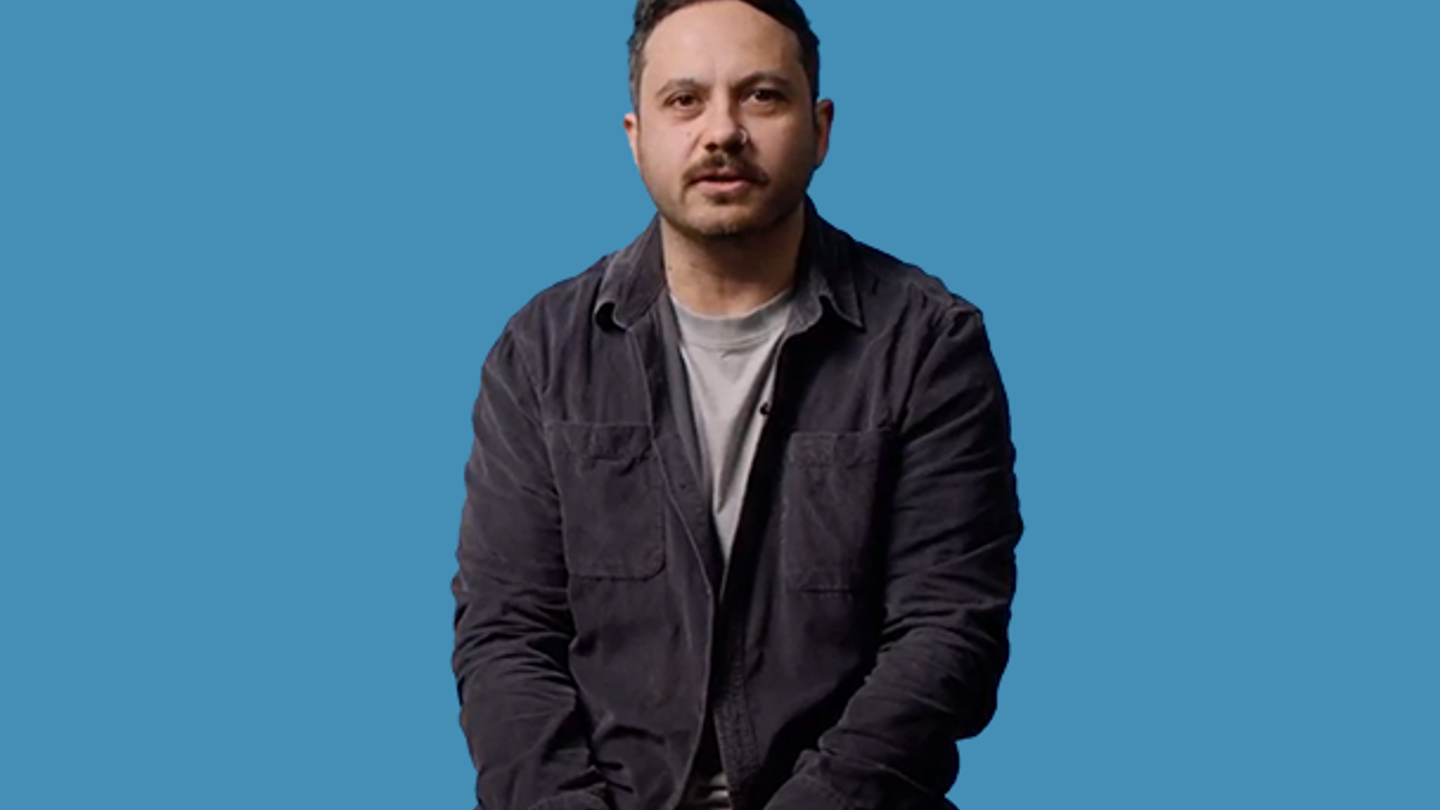

Hi, my name is Justin Timora and I'm one of the lecturers in Psychology at Federation. What makes our program stand out is the people. So within our psychology program we really take pride in building strong connections between staff and students and we look at how we can support our students every step of the way. We provide priority pathways from our undergraduate programme through to postgraduate psychology if you're interested in becoming a registered practitioner. So our classes are small, but that's a good thing because you get to know your classmates and staff on a first-name basis. And we find this helps create a comfortable and safe environment where our students feel more confident to be able to share their ideas and their perspectives on different aspects of psychology that we cover. So as you get to know our staff, you'll start to see that they genuinely care about your success, and they'll be there for you throughout your whole academic journey every step of the way. So whether you're interested in becoming a psychologist or you want to use your psychology knowledge in other areas like research or community welfare, we will help you develop theoretical and practical knowledge and teach you how to apply in different real life scenarios. So our program includes options for work experience and also working with local community organisations to help them solve problems. So if you're thinking about starting psychology, that program is very welcoming and supportive, and we love seeing students on this exciting adventure where they start to see the world and themselves differently.