
Why Rishini chose to study nursing in Gippsland
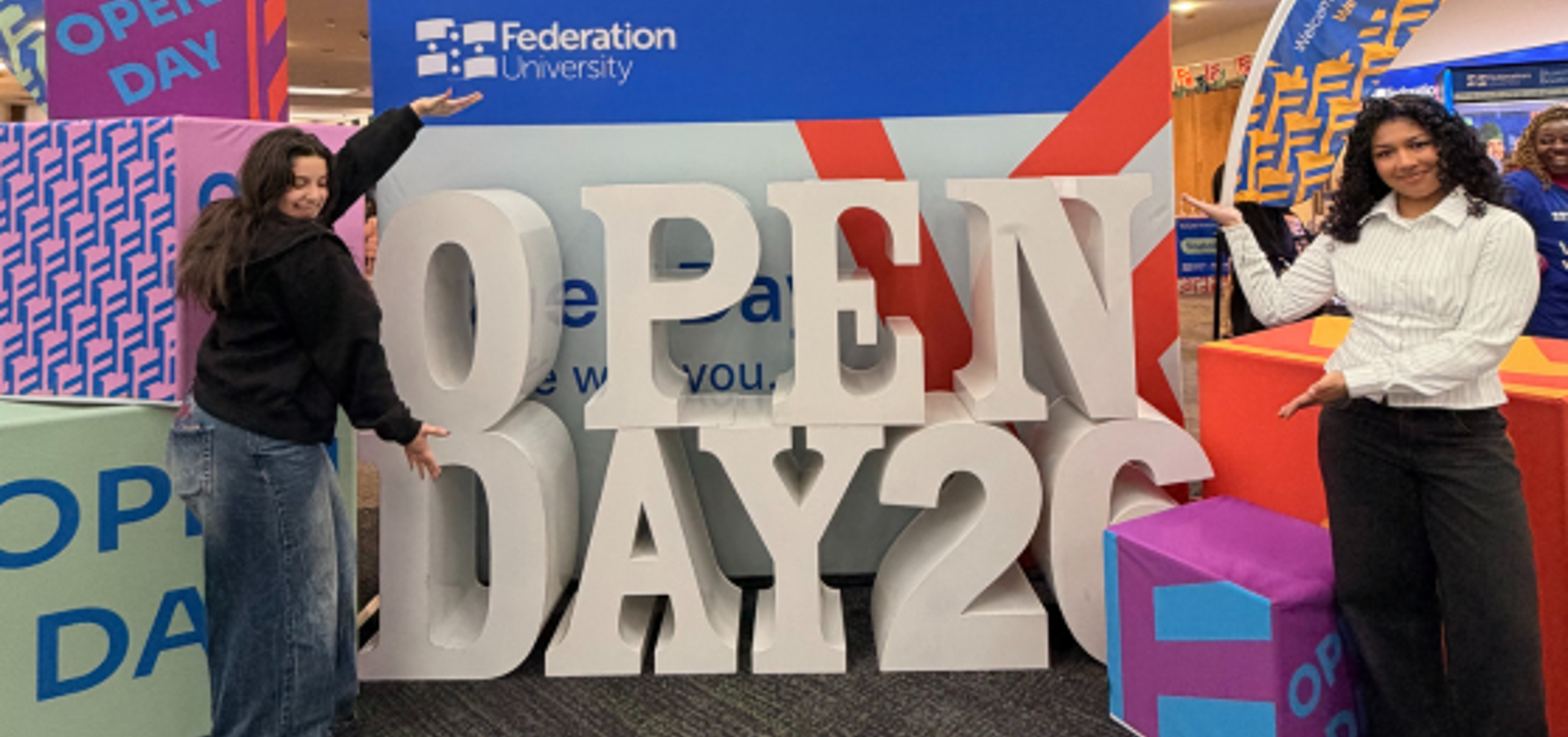
Moving to Australia gave Rishini the chance to work towards the nursing career she wanted. It also meant starting again in a new country, with a new campus to navigate and a different way of life to understand.
She knew the university she chose would shape how well she settled and studied.
Rishini was not looking for the biggest or busiest campus. She wanted somewhere peaceful, with approachable staff, practical nursing experience and fewer distractions from the work ahead.
That search led her from Sri Lanka to Federation University’s Gippsland Campus, where she is studying the Bachelor of Nursing.
“I find it very peaceful,” Rishini says. “It’s filled with nature, so you can focus on your studies.”
The quieter setting was what first drew her to Gippsland. Since arriving, she has found that being able to focus does not mean studying alone. Orientation helped her navigate everyday life in Australia, campus activities introduced her to other students and clinical placements began showing her what nursing looks like beyond the classroom.
Financial support during placement has also given her something every nursing student values: the ability to be fully present.
Now in her first year, Rishini is beginning to picture where nursing could take her. Emergency and theatre nursing currently interest her, although she knows further placements may change her mind.
“In the future, I might change my decision,” she says. “I’m keeping an open mind.”
She does not have every part of her future mapped out. What she has found is a place where she can concentrate, gain experience and take the next step with confidence.
Choosing a place where she could focus
Rishini approached her university search with a clear understanding of how she learns best.
She wanted a nursing degree that combined theoretical education with clinical experience. She also wanted flexibility, an affordable option and a learning environment where she could feel comfortable approaching staff.
“I wanted good-quality education, flexibility and smaller classes, so I could focus on my studies,” she says.
After researching Australian universities, Rishini spoke with an education agent about what mattered to her. Federation University’s Bachelor of Nursing and the opportunity to study in Gippsland aligned with what she had been looking for.
Her agent helped her through the application process, which Rishini found straightforward to navigate. One of the biggest decisions had been made. She knew what she would study and where she would begin building her future.
Living in Gippsland has given her the calmer pace she hoped for, without leaving her disconnected from university life or the wider community.

That welcome has helped turn a place she chose for its peaceful environment into somewhere she can see herself growing.
Discovering what nursing looks like in practice
Rishini’s goal is to become a registered nurse and provide high-quality, patient-centred care.
Reaching that goal requires scientific knowledge, practical skills and the ability to understand what each patient needs. For Rishini, clinical placement is where those parts of nursing begin to come together.
“My degree provides me with theoretical knowledge,” she says. “With clinical placement, I can gain clinical experience.”
During the Bachelor of Nursing, Rishini is gaining exposure to areas including aged care, mental health and acute care. Each setting introduces her to different patients, responsibilities and ways of working.
“Different clinical placements provide me with the chance to see more,” she says.
That variety matters because nursing students do not always know where they will feel most suited until they experience the work for themselves.
Rishini is interested in emergency and theatre nursing. Both could take her into environments where healthcare teams need to communicate clearly and respond quickly. Yet she is allowing her placements to guide her rather than feeling she has to decide now.
Each experience brings her closer to understanding where her skills and interests may fit.
Financial breathing room during placement
Clinical placement is one of the most important parts of a nursing degree. It can also be financially difficult.
Placement involves set shifts and significant time away from regular paid employment. Rent, food, transport and other expenses continue, even when a student has fewer opportunities to work.
For an international student supporting themselves while studying in Australia, that pressure can be hard to ignore.
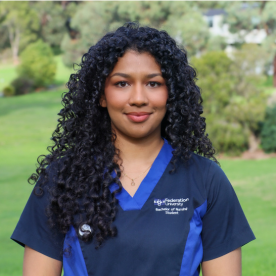
With Co-op paid placement Rishini received financial support through Federation University while completing placement. It reduced the worry of missing her usual work hours and allowed her to concentrate on the experience in front of her.
During your clinical placement, you can’t work. You don’t have to worry about getting paid or work stress, so you can focus on your clinical placement and get the experience. "
That relief is what makes the support significant.
Rishini could direct her attention towards patients, supervisors and the unfamiliar routines of each healthcare setting. Instead of thinking about the income she was missing, she could focus on learning how to become a nurse.
The support did not make placement easy or change what was expected of her. It gave her more room to learn from it.
Feeling supported from the start
Starting university in a new country comes with plenty of practical firsts, from opening an Australian bank account to arranging a mobile service and learning your way around campus.
For Rishini, orientation made those early steps easier. Along with a tour of the Gippsland Campus, she received useful information to help her settle into everyday life in Australia.
“When you’re new to the country and new to the university, you can get lost,” she says. “They give you a tour around the campus and show you how to get a SIM card and how to open a bank account.”
That support continued beyond orientation. Rishini has used the support desk in the campus library and found the staff ready to help with whatever questions came up.
“You can ask any question you want and they’ll answer you,” she says. “They’ll guide you. I’ve accessed that by myself, and it was very helpful.”
Knowing where to find an answer has helped Rishini feel comfortable navigating university life.
She also highlights services including counselling and the Nourishment Nook, Federation University’s student food pantry, where students can access free food on selected days.
“If you’re all out of food, you can come there and access that,” she says.
Together, these services give students different ways to feel supported, whether they have a question about their studies, need practical assistance or want someone to talk to.
“As an international student, you’re new here, and it can be challenging to move away from your home,” Rishini says. “The staff are very supportive and friendly, so it was nice to feel that supported.”
Finding connection on campus
Campus activities have given Rishini relaxed ways to meet other students and enjoy university life outside her nursing studies.
Friday movie nights provide an opportunity to spend time with other students in an informal setting.
“You can get to know your peers, share your experience and make friends,” she says.
Rishini has also taken part in free swimming lessons offered through the University.
“I accessed the swimming lessons, and it was so good,” she says. “The staff were very nice.”
Experiences like these have helped Rishini become part of the campus community, meet new people and make Gippsland feel like home.
They have also shown her that settling into university can happen through small moments. It might be recognising someone from a movie night, knowing where to take a question or feeling comfortable enough to try something new.
For a student who has moved countries, those moments matter.
Letting experience shape her future
Rishini can picture herself working in an emergency department or operating theatre after becoming a registered nurse.
She is drawn to those areas now, but she understands that nursing offers many possible directions. Future placements may confirm her current interests or reveal a type of work she has not previously considered.
Keeping an open mind allows each experience to teach her something.
By graduation, Rishini will have developed knowledge across several areas of nursing and applied what she has learnt in healthcare settings. She will also have navigated university in a new country, become more confident asking for help and built connections within the Gippsland community.
Her advice to other international students is to research their options and remain open to what university life may offer.
Rishini came to Gippsland looking for a place where she could concentrate on becoming a nurse. She found the peaceful environment she wanted, but she also found people ready to answer her questions, opportunities to gain clinical experience and financial support that made placement easier to manage.
She is still discovering where nursing will take her. For a first-year student, that is exactly where she needs to be.
Explore the Bachelor of Nursing
Wondering where a nursing degree could take you?
Like Rishini, you could develop your knowledge through classroom learning and gain clinical experience across different areas of healthcare. You may begin with a particular nursing career in mind or discover a new direction as your skills and experience grow.
Explore the Bachelor of Nursing at Federation University and learn how studying in Gippsland could prepare you to become a registered nurse.
Frequently Asked Questions
Studying nursing in regional Australia can offer a calmer environment while still giving students access to the services, facilities and connections that support university life.
Rishini chose Federation University’s Gippsland Campus because she wanted space to concentrate and opportunities to gain clinical experience. She has found the surroundings peaceful, while campus activities and the friendliness of the community have helped her feel connected.
When comparing locations, students should consider the course, placements, transport, accommodation and kind of lifestyle that will help them study well.
Federation University’s Bachelor of Nursing combines theoretical study with practical learning in clinical and simulated environments.
Students develop the knowledge and skills needed to prepare for nursing practice while completing clinical placements in different areas of healthcare. Rishini’s experience includes exposure to aged care, mental health and acute care.
These settings are helping her understand how nursing changes between patients and workplaces. They are also giving her experience to draw on as she considers possible careers in emergency, theatre and other areas of nursing.
Clinical placements allow nursing students to apply their knowledge under supervision in healthcare environments.
Experiences vary according to course requirements and placement availability, but may include areas such as aged care, mental health and acute care. Each setting introduces students to different patients, responsibilities and ways of working.
For Rishini, that variety is helping her explore her interest in emergency and theatre nursing while remaining open to other possibilities. Students should review the current Bachelor of Nursing course information for placement requirements.
Federation University’s Paid Placement Support Guarantee provides financial support to eligible international students completing courses with mandatory placements.
Rishini says receiving placement support reduced the pressure created by being unable to maintain her usual work hours. It meant she could focus more fully on gaining clinical experience.
For eligible international undergraduate students commencing in 2027, the guarantee provides payments of up to $10,000 over the course. Students should review the current Paid Placement Support Guarantee information for eligibility and payment details.
Federation University international students can access help with academic, personal and practical questions.
During orientation, Rishini received information about navigating campus, opening an Australian bank account and arranging a SIM card. She has since used the library support desk and highlights services including counselling and the Nourishment Nook student food pantry.
Having clear places to seek assistance has helped her feel comfortable asking questions and settling into university life in Australia.
Gippsland offers a more relaxed lifestyle than a major city, with natural surroundings, established communities and access to everyday services.
Rishini values the peaceful environment because it helps her concentrate on her Bachelor of Nursing. At the same time, university activities including movie nights and swimming lessons have helped her meet other students.
She describes the community as friendly and says she feels safe and welcomed as an international student living in the region.
After completing an approved nursing degree and meeting registration requirements, graduates may work as registered nurses in hospitals, community health, aged care, mental health and other healthcare settings.
Rishini is currently interested in emergency and theatre nursing, although her clinical placements may introduce her to other possibilities.
With experience or further study, registered nurses may pursue specialised clinical roles, education, research or leadership. The Bachelor of Nursing provides a broad foundation from which those career interests can develop.
Nursing may suit people who want practical, people-focused work and are prepared for a degree that combines academic study with clinical responsibility.
The profession calls for communication, empathy, teamwork, careful judgement and a willingness to keep learning. Clinical placement allows students to experience these expectations in healthcare environments.
Rishini knows she wants to provide patient-centred care, but she is allowing experience to shape where she works.
Wondering if nursing is the right degree for you? If you're drawn to both the scientific and human sides of healthcare, enjoy working with people and are willing to keep learning through clinical placements and real-world experience, nursing could be a strong fit.