
Find a topic for your research question
Finding a topic is the first step in shaping a successful research project. Learn strategies to narrow your interests, spot gaps in the literature, and choose a focus that is both meaningful and manageable.
Refining your research topic is an early and important step in HDR study. This page outlines a practical process to help you move from a broad area of interest to a focused, researchable topic that can be developed into a clear research question.
How to refine your topic
Begin by identifying a general topic area that genuinely interests you and is relevant to your discipline. One way to think about topic choice is to consider whether your area is hot, lukewarm or cold.
- Hot topics are at the leading edge of research and attract high levels of funding, many publications, and media attention (for example, climate change, artificial intelligence, cancer research). These areas can offer strong momentum but may also be highly competitive.
- Lukewarm topics are active areas of research without the same intensity. They might be regularly discussed in scholarly literature, but not on a daily basis. The impact of deforestation on the habitat of fruit bats is an example. It is important (especially to ecologists) but not cutting-edge.
- Cold topics are areas that receive little current attention. The Marxist revolution in Cuba is one example. While these topics remain academically important, they typically appeal to a narrow academic audience and may offer fewer opportunities for funding or supervision.
There is no single “right” category. Each comes with its own benefits and challenges. Thinking about which category appeals to you, though - and identifying why - can help you imagine the kind of project you want to undertake. What matters most is choosing an area that is viable, supported within your field, and intellectually engaging for you.
It is also worth noting that research areas are not static. Topics that are currently considered ‘cold’ can become more active over time as social, technological or policy contexts change. However, choosing a topic that remains marginal or disconnected from current scholarly conversations can limit opportunities for collaboration, funding and career progression. While personal interest is essential—particularly for long term projects such as a PhD—research candidates are often better positioned when working in an area that is established, emerging, or gaining momentum.
Once you have a broad topic, spend time reading across the field. This usually involves reading:
- journal articles
- scholarly books and chapters
- recent reviews or position papers
As you read, you will start to notice regular themes emerging. These are sub-topics within the main topic area. Ensure your reading includes the most recent research related to your topic area as this will give you a sense of how key debates in the field have tracked over time, as well as their current status.
Many candidates find it helpful to map these themes visually (for example, using a mind map) to see how ideas connect and where their interests are strongest.
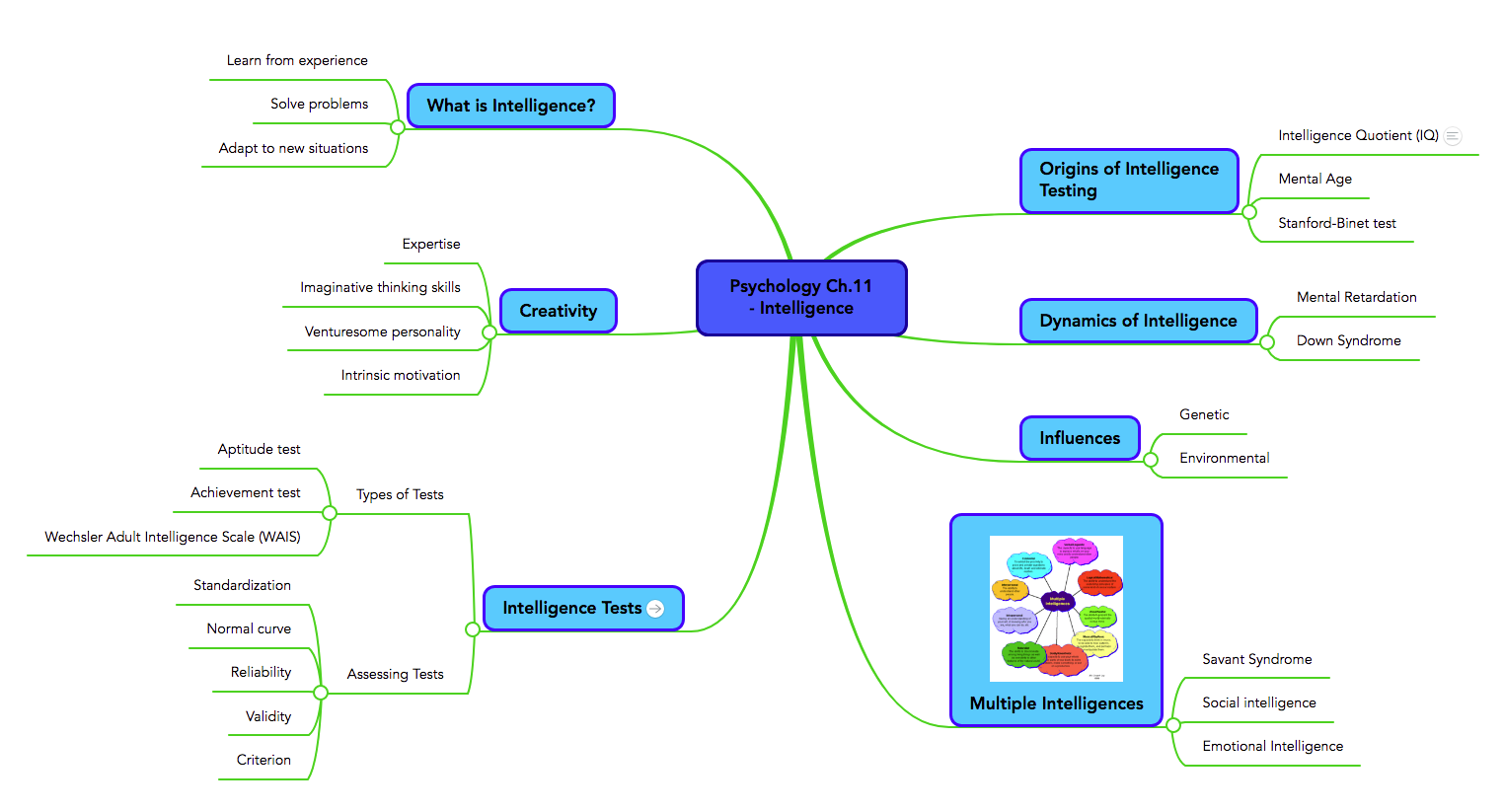
Image: A mind map on the area of intelligence (Cougle, 2012)
Now try to choose a sub-topic or theme within your chosen research area. Consider:
- Which ideas keep drawing your attention?
- What do you find yourself reading more deeply?
- What do you enjoy discussing with colleagues or supervisors?
- Which areas seem to be developing or rising in importance?
Your choice may also be shaped by:
- a persistent problem in the literature that has not been adequately resolved
- skills or methods you want to develop for future career pathways
- the expertise and current research interests of potential supervisors
If you are undertaking a PhD, you will work with your topic for many years, making it important to choose an area that genuinely fascinates you.
After identifying a theme, the next step is to narrow it further. At this stage, topics are often still too broad to support a clear research question.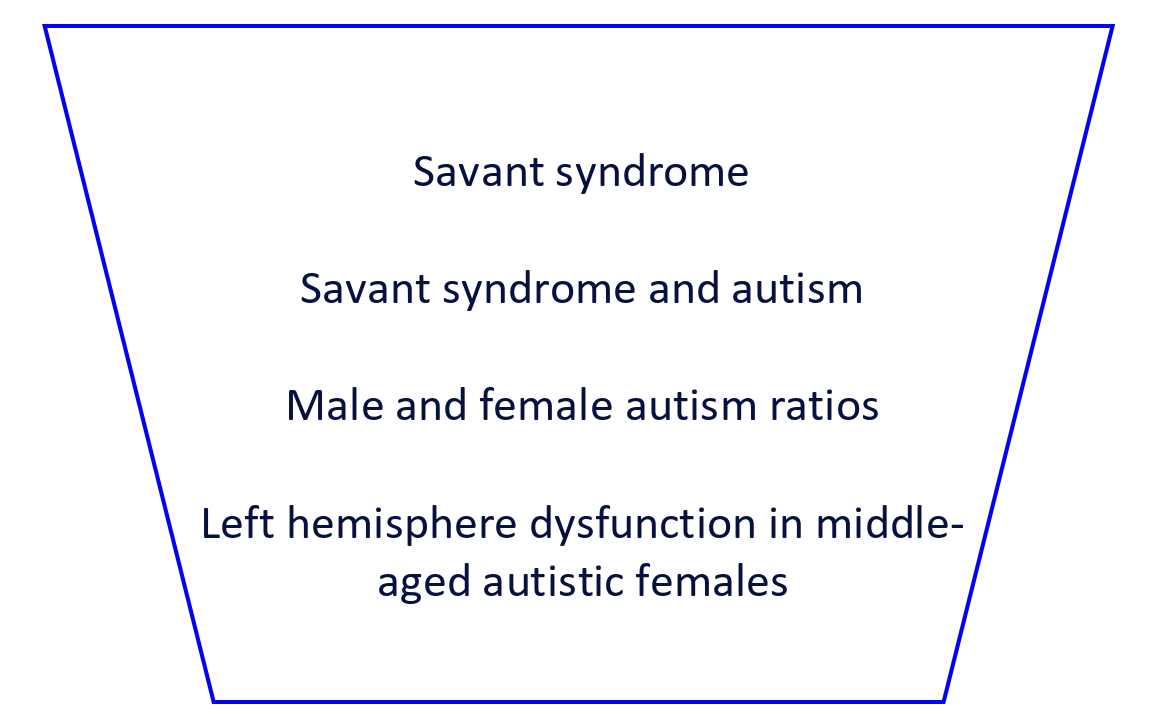
Image: Narrowing down your sub-topic
Each step moves from a general idea to a more specific and researchable focus.
This narrowing process usually involves targeted reading in the specific area you are considering. The goal is to narrow your scope while keeping your interest strong and the project feasible.
Why refinement matters
Carefully refining your topic is essential for:
- developing a clear, manageable research question
- defining appropriate methods and data
- ensuring your project can be completed within HDR timeframes and institutional requirements
Once your topic is sufficiently focused, you are ready to formulate your research question and begin designing your study in detail.