Native Conservation Group
This is an example of a research group webpage – it is not a real group.
Our mission
We aim to advance the science and practice of ecological restoration through more effective assessment, modelling and management of degraded landscapes and native ecosystems. Our work focuses on enhancing biodiversity, improving habitat resilience and supporting sustainable land stewardship. We achieve this through innovative research, close collaboration with land managers, communities and industry partners.
About the Native Conservation Group
Established in late 2018, the Native Conservation Group sits within the Institute of Innovation, Science and Sustainability and brings together the expertise of the Collaborative Research Network (CRN), the Ecology Research Program (ERP), and the Centre for Conservation Management (CEM).
Guided by a research ethos grounded in integrity and sustainability, the group values the importance of regeneration at all scales and is committed to holistic, independent inquiry. It fosters strong regional and global collaborations and is dedicated to supporting the next generation of skilled researchers.
Contact us
If you have any questions about the Native Conservation Group, please get in touch via (03) 5327 6045 or f.smith@federation.edu.au.
Projects, grants and publications
- Paleoclimates relevant to NRM in the MDB. Gell et al., Murray Darling Basin Authority ($52,000)
- Visualising Victoria's Groundwater (VVG), Dahlhaus et al. BEIP grant and 17 other investors $2.23M ($480 cash)
- China Australia Wetlands Collaborative Research Network, Kattel, China Australia Collaborative Fund ($42,000)
- Development of a standards-based 3D visualisation tool for groundwater information portals. Dahlhaus & Macleod (Federation University) & Cox & James (QUT), BoM ($50,000)
- Understanding the mixing behaviour of a deep reservoir for a range of hydrological and water quality scenarios. Barton & Gell, Grampians Wimmera Mallee Water, Wimmera CMA, $40,000
- Lake Cowal Waterbird Biomonitoring, Gell & Peake, Barrick Gold, $60,000 p.a.
- Living Ballarat, Barton, Dahlhaus & Gell. Office of Living Victoria. $20,000
- Ecological impact of concrete pipes on dystrophic stream waters. Gell, Kuringai Shire, $25,000
- Systematics of Australian Characeae for palaeoecology and water quality assessment Casanova Water Plant Functional Groups for assessment of responses to climate change Casanova et al. Ecology and function of endangered temporary wetlands in the agricultural landscape Casanova
- Multi-Objective Planning and Operation of Water Supply Systems Subject to Climate Change. Perera & Barton. ARC Linkage with Victoria University and GWMWater ($180,000)
- Catchment restoration: generating prescriptions for evidence-based best practice in the future, from experience of the past. Florentine, Gell, Westbrooke. ARC Linkage Grant LP0990642 with Corangamite CMA, Glenelg Hopkins CMA, Parks Victoria ($80,000)
- High-resolution ITRAX XRF core scanning facility for global change research. Mather .. Gell et al., ARC LIEF grant LE100100141 ($450,000)
- Lake Keilambete: investigating the glacial in southeast Australia's rain gauge. Reeves. AINSE grant ALNGRA13008 ($16,000)
2014
- Atazadeh, I., Barton, A. F., Gell, P., Mills, K. & Newell, P. (2014). Development of an Algal Response Model to Improve Water Resource System Operations. Hydrology and Water Resources Symposium 2014. Perth, Engineers Australia.
- Barr, C., Tibby, J., Gell, P., Tyler, J., Zawadzki, A. & Jacobsen, G. (2014). Climatic variability in southeastern Australia over the last 1500 years inferred from the fossil diatom records of two crater lakes. Quaternary Science Reviews, 95: 115-131.
- Cowle, M., Babatunde, A., Rauen, W., Bockelmann-Evans, B. & Barton, A. F. (2014). Biofilm development in water distribution and drainage systems: dynamics and implications for hydraulic efficiency. Environmental Technology. In Press.
- Sachindra, D.A., Huang, F., Barton, A.F. & Perera, B. J. C. (2014). Statistical downscaling of general circulation model outputs to precipitation Part 2: Bias correction and future projections. International Journal of Climatology Publ. Online doi: 10.1002/joc.3915.
- Schultz N.L., Reid N., Lodge G. & Hunter J.T. (2014). Broad-scale patterns in plant diversity vary between land uses in a variegated temperate Australian agricultural landscape. Austral Ecology. Online doi: 10.1111/aec.12154
- Seddon, A.W.R., Mackay, A.W., Baker, A.G., Birks, H.J.B., Bremen, E., Buck, C.E., Ellis, E.C., Froyd, C.A., Gill, J.L., Gillson, L., Johnson, E.A., Jones, V.J., Juggins, S., Macias-Fauria, M., Mills, K., … Gell, P., et al. (2014). Looking forward through the past. Identification of fifty priority research questions in palaeoecology. Journal of Ecology, 102: 256-267.
2013
- Camens, A.B. & Carey, S.P. (2013). Contemporaneous Trace and Body Fossils from a Late Pleistocene Lakebed in Victoria, Australia, Allow Assessment of Bias in the Fossil Record. PLoS ONE, 8 (1), art. no. e52957.
- Chand, S.S., McBride, J.L., Tory, K.J., Wheeler, M.C. & Walsh, K.J.E. (2013). Impact of different ENSO regimes on southwest pacific tropical cyclones. Journal of Climate 26: 600-608.
- Finlayson, M., Davis, J., Gell, P., Kingsford, R., Parton, K. & Smith, P. (2013). The status of wetlands and the predicted effect of global climate change: the situation in Australia. Aquatic Sciences, 75: 73-93
- Gell, P., Mills, K. & Grundell, R. (2013). The legacy of climate and catchment change: the real challenge for wetland management. Hydrobiologia, 708: 133-144.
- Mills, K., Gell, P., Hesse, P., Jones, R., Kershaw, P., Drysdale, R., McDonald, J. & Gergis, J. (2013). Paleoclimate studies relevant to natural resource management in the Murray-Darling Basin I: past, present and future climates. Australian Journal of Earth Sciences, 60: 547-560.
- Mills, K., Gell, P., Gergis, J., Baker, P., De Deckker, P., Finlayson, M., Hesse, P., Jones, R., Kershaw, P., Pearson, S., Treble, P., Barr, C., Brookhouse, M., Drysdale, R., Haberle, S., Karoly, D., McDonald, J., Reid, M., Thoms, M. & Tibby, J. (2013). Paleoclimate studies relevant to natural resource management in the Murray-Darling Basin II. Unravelling past human impact and climate variability. Australian Journal of Earth Sciences, 60: 561-571.
- Reeves, J.M., Bostock, H.C., Ayliffe, L.K., Barrows, T.T., De Deckker, P., Devriendt, L.S., Dunbar, G.B., (...) & van der Kaars, S. (2013). Palaeoenvironmental change in tropical Australasia over the last 30,000 years - a synthesis by the OZ-INTIMATE group. Quaternary Science Reviews, 74: 97-114.
- Reeves, J.M., Barrows, T.T., Cohen, T.J., Kiem, A.S., Bostock, H.C., Fitzsimmons, K.E., Jansen, J.D., (...) & Phipps, S.J. (2013). Climate variability over the last 35,000 years recorded in marine and terrestrial archives in the Australian region: an OZ-INTIMATE compilation. Quaternary Science Reviews, 74: 21-34.
- Wilby, R.L. & Quinn, N.W. (2013). Reconstructing multi-decadal variations in fluvial flood risk using atmospheric circulation patterns. Journal of Hydrology, 487: 109-121.
2012
- Augustinus, P., Cochran, U., Kattel, G., D'Costa, D. & Shane, P. (2012). Late Quaternary paleolimnology of Onepoto maar, Auckland, New Zealand: Implications for the drivers of regional paleoclimate. Quaternary International, 253: 18-31.
- Cahir, F. (2012) Slowly and peacefully he took us over the dead water of the little inlet we were in' – Seeing the land from an Aboriginal canoe. Signals: Journal of the National Maritime Museum, 100: 18-22.
- Camens, A.B. & Carey, S.P. (2013). Contemporaneous Trace and Body Fossils from a Late Pleistocene Lakebed in Victoria, Australia, Allow Assessment of Bias in the Fossil Record. PLoS ONE, 8 (1), art. no. e52957.
- Casanova, M.T. (2012). Does cereal crop agriculture in dry swamps damage aquatic plant communities. Aquatic Botany, 103: 54-59.
- Chand, S.S. & Walsh, K.J.E. (2012). Modeling seasonal tropical cyclone activity in the Fiji region as a binary classification problem. Journal of Climate, 25: 5057-5071.
- Grundell, R., Gell, P., Zawadzki, A. & Mills, K. (2012). Interaction between a river and its wetland: evidence from spatial variability in diatom and radioisotope records. Journal of Paleolimnology, 47: 205-219.
- Mills, K., Gell, P., Gergis, J., Baker, P., De Deckker, P., Finlayson, M., Hesse, P., Jones, R., Kershaw, P., Pearson, S., Treble, P., Barr, C., Brookhouse, M., Drysdale, R., Haberle, S., Karoly, D., McDonald, J., Reid, Mills, K. & Ryves, D.B. (2012). Diatom-based models for inferring past water chemistry in western Ugandan crater lakes. Journal of Paleolimnology, 48 (2): 383-399.
2011
- Barton, A., McRae-Williams, P., Briggs, S & Prior, D. (2011). Coping with severe drought: stories from the front line. Australian Journal of Water Resources, 15: 21-32.
- Carey, S.P., Camens, A.B., Cupper, M.L., Grün, R., Hellstrom, J.C., McKnight, S.W., McLennan, I., (...), & Aubert, M. (2011). A diverse Pleistocene marsupial trackway assemblage from the Victorian Volcanic Plains, Australia. Quaternary Science Reviews, 30 (5-6): 591-610.
- Casanova, M. T. (2011). Using water plant functional groups to investigate environmental water requirements. Freshwater Biology, 56: 2637-2652.
- Dick, J., Haynes, D., Tibby, J., Garcia, A. & Gell, P. (2011). A history of aquatic plants in the Ramsar-listed Coorong wetland, South Australia. Journal of Paleolimnology, 46: 623-635.
- Kattel, G. & Sirocko, F. (2011). Palaeocladocerans as indicators of environmental, cultural and archaeological developments in Eifel maar lakes region (West Germany) during the Late-glacial and Holocene periods. Hydrobiologia, 676 (1): 203-221.
- Lynch, A.J.J. (2011). The usefulness of a threat and disturbance categorization developed for Queensland wetlands to environmental management, monitoring and evaluation. Environmental Management, 47(1): 40-55.
2010 and earlier
- Dahlhaus, P.G., Cox, J.W., Simmons, C.T. & Smitt, C.M. (2008). Beyond hydrogeologic evidence: Challenging the current assumptions about salinity processes in the Corangamite region, Australia. Hydrogeology Journal, 16 (7): 1283-1298.
- Dahlhaus, P.G., Evans, T.J., Nathan, E.L., Cox, J.W. & Simmons, C.T. (2010). Groundwater-level response to land-use change and the implications for salinity management in the West Moorabool River catchment, Victoria, Australia. Hydrogeology Journal, 18 (7): 1611-1623.
- Gell, P., Fluin, J., Tibby, J., Hancock, G., Harrison, J., Zawadzki, A., Haynes, D., Khanum, S., Little, F. & Walsh, B. (2009). Anthropogenic acceleration of sediment accretion in lowland floodplain Wetlands, Murray-Darling Basin, Australia. Geomorphology, 108: 122-126.
- Graymore, M.L.M., Sipe, N.G. & Rickson, R.E. (2010). Sustaining human carrying capacity: A tool for regional sustainability assessment. Ecological Economics, 69 (3): 459-68.
- Graymore, M.L.M., Wallis, A.M. & O'Toole, K. (2010). Understanding drivers and barriers: the key to water use behaviour change. Water Science and Technology: Water Supply, 10 (5): 679-88.
- Krull, E., Haynes, D., Lamontagne, S., Gell, P., McKirdy, D., Hancock, G., McGowan, J. & Smernik, R. (2009). Changes in the chemistry of sedimentary organic matter within the Coorong over space and time. Biogeochemistry, 92: 9-25.
- Metzeling, L., Tiller, D., Newall, P., Wells, F & Reed, J. (2006). Biological objectives for the protection of rivers and streams in Victoria, Australia. Hydrobiologia, 572: 287-299.
- Reeves,J., De Deckker, P. & Halse, S. (2007). Groundwater Ostracods from the arid Pilbara region of northwestern Australia: distribution and water chemistry. Hydrobiologia, 585: 99-118.
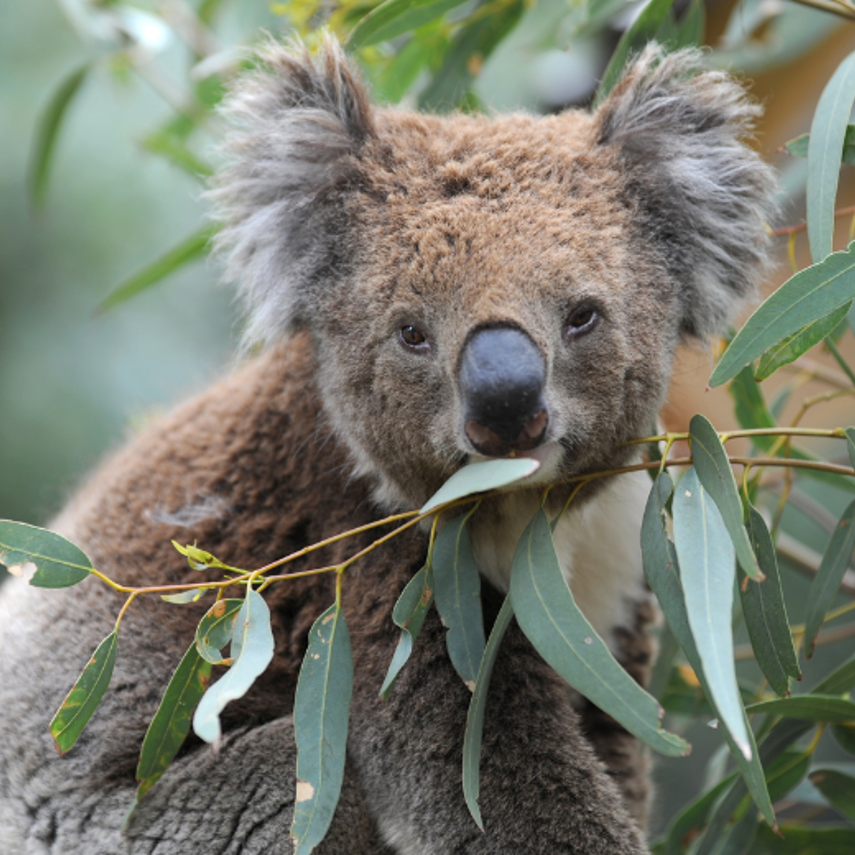
Endangered Fauna Recovery Project
We're currently investigating the ecological pressures driving population decline in vulnerable native species, combining field surveys, habitat modelling and genetic analysis to guide targeted conservation actions. We hope to restore critical habitats and strengthen long‑term species resilience.
Research team
Get involved
We're always keen to partner with local community organisations and industry. If you'd like to collaborate with us on a particular project, email p.smith@federation.edu.au.
Candidate vacancies
If you're interested in applying for a PhD or honours position with the Native Conservation Group, please email p.smith@federation.edu.au.
Our work
Our facilities
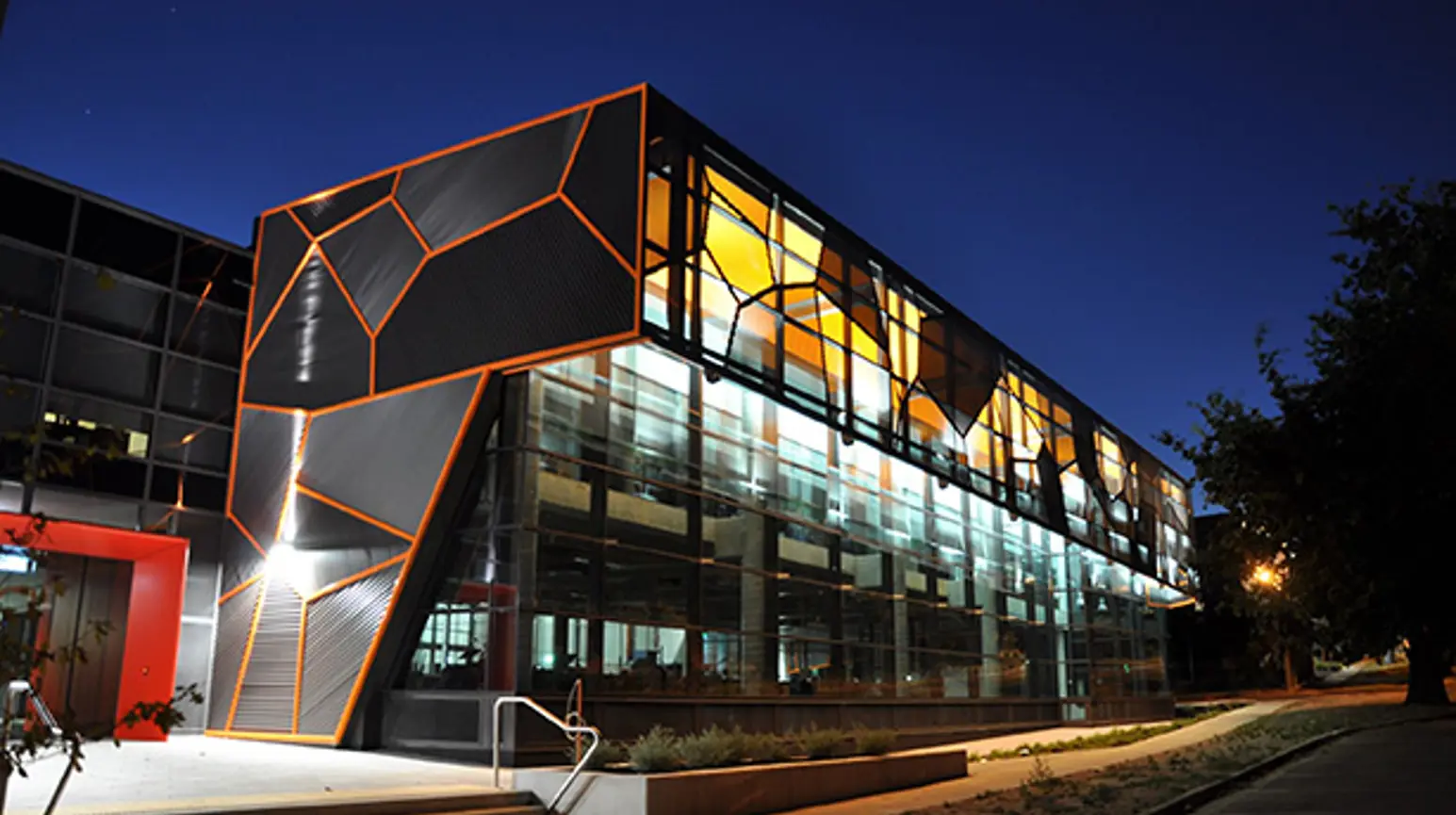
Native Conservation Group operates from a purpose‑built laboratory equipped with advanced genetic sequencing tools, wildlife telemetry systems and ecological modelling software.
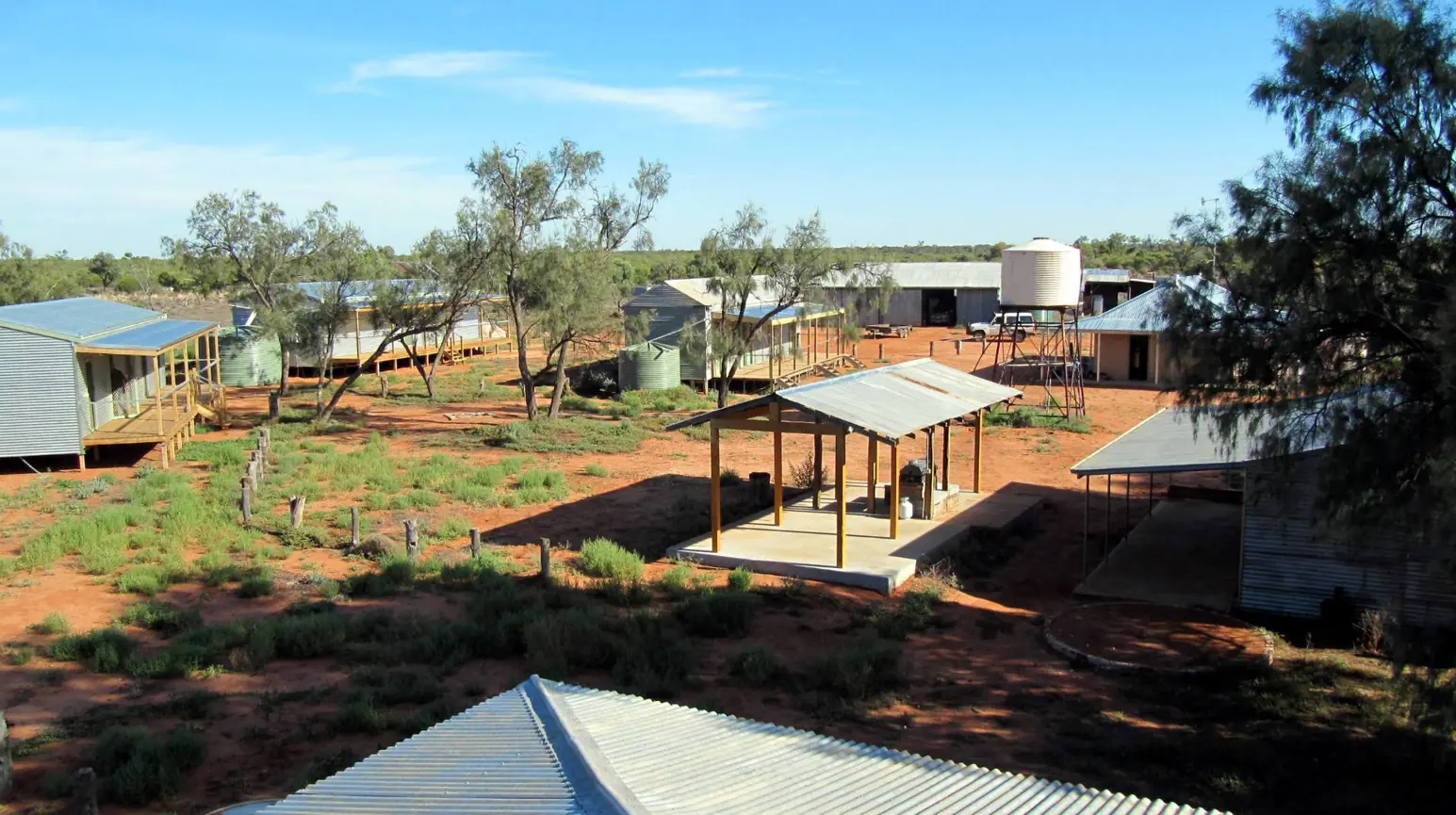
Fieldwork is supported by a fleet of off‑road research vehicles, remote camera‑trap arrays, acoustic monitoring units and GPS‑enabled tracking collars designed for small, sensitive species.
The group also manages a controlled‑environment wildlife rehabilitation and observation facility, featuring climate‑regulated enclosures, native plant propagation areas and a dedicated space for behavioural studies that inform species‑specific recovery strategies.