Turning community data into environmental intelligence for Victoria's waterways
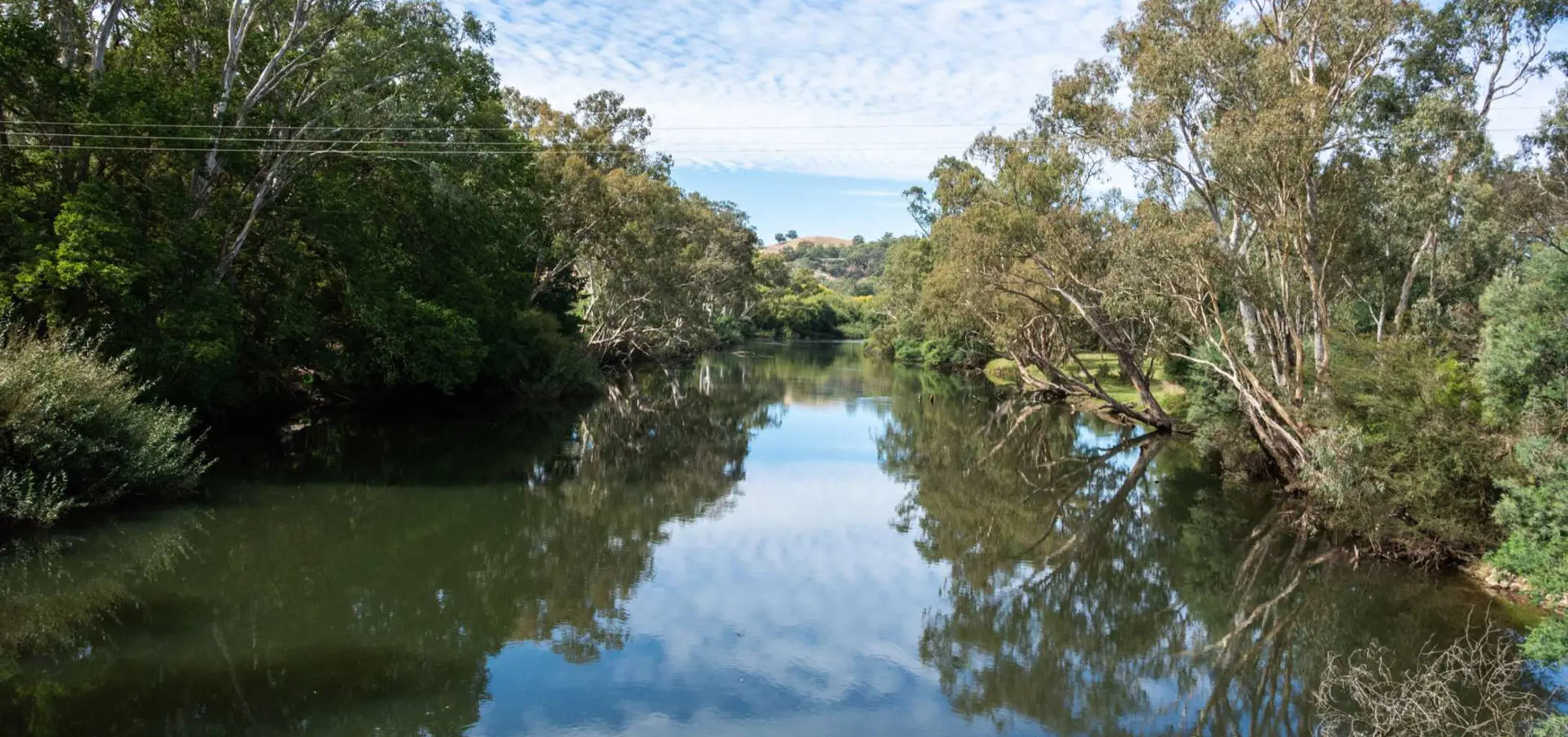
WaterWatch is one of the longer-running national programs where environmental monitoring is undertaken by citizen scientists. Image: Alizada Studios — stock.adobe.com
As Australia’s waterways face ever-increasing threats from rapid development, climate change and water extraction, community-led monitoring programs like WaterWatch and EstuaryWatch Victoria are stepping up as guardians of the state’s rivers and estuaries.
Launched in Victoria in 1993, WaterWatch Victoria became a key part of the national WaterWatch initiative. Piloted in regional catchments like the Wimmera and Corangamite, the program aimed to tackle pressing waterway health issues, drawing in schools, community organisations and local residents to help monitor water quality and safeguard the state's rivers, wetlands and estuaries.
The programs engage communities and provide valuable data to promote the sustainable management of waterways, mobilising volunteers to monitor river health across the state. More than 400 volunteers head out monthly across the state to collect water quality data.
Researchers and technical experts from Federation’s Centre for eResearch and Digital Innovation (CeRDI) have been working with the programs since 2016, bringing the Centre’s expertise in applying advanced information and communications technology and spatial technologies to solve real-world problems.
CeRDI Senior Programmer Paul Feely says water quality data has been collected over many years, but earlier information was often presented in cumbersome, non-user-friendly spreadsheets, limiting its accessibility and broader use.
To address this, CeRDI recently launched an updated WaterWatch and EstuaryWatch portal to strengthen Victoria’s two major citizen science programs. The updates focus on improved presentation, analytical tools and visualisations, making it easier to explore and understand water quality issues at a glance while still providing access to full datasets for more detailed analysis.
This approach supports decision-making across a wide range of users, from volunteers and students using the portal as part of learning activities, to catchment management authorities, local and state governments, universities and private organisations using the data for planning, reporting and research.
Beyond supporting individual programs, Federation University, through CeRDI, has played a central role in scaling citizen science across Australia by delivering specialist digital platforms that underpin the full lifecycle of community-led monitoring.
CeRDI’s work goes beyond simply storing information. The WaterWatch and EstuaryWatch platforms are designed to support the collection of high-quality standardised data in the field, ensure its integrity through validation and management processes and transform it into accessible analysis and visualisations. This end-to-end approach helps bridge a longstanding gap between community data collection and its effective use in reporting, decision-making and on-ground environmental improvement.
By providing intuitive dashboards, long-term trend analysis and spatial visualisation tools, the platforms enable volunteers, educators and land managers to see how waterways are changing over time, identifying emerging issues and communicating environmental conditions in clear, evidence-based ways. This access to complete datasets and robust analytical tools gives confidence to catchment management authorities, councils, researchers and government agencies that citizen-generated data can be trusted and used alongside professional monitoring.
This platform-led approach has enabled programs like WaterWatch and EstuaryWatch to grow in scale and impact, supporting consistent data collection across regions and decades while maintaining strong community ownership and engagement. Together, technical rigour and accessibility are helping citizen science evolve from local monitoring initiatives into integrated sources of environmental intelligence that inform practical actions to protect and restore Victoria’s rivers and estuaries.
“These sites make it easy for anyone to see a 20-year history of a waterway’s condition, or if there have been any spike events which may have seen fish deaths, or if big industrial incidents had an impact on these systems,” Mr Feely said.
CeRDI Principal Research Fellow Dr Birgita Hansen says WaterWatch is one of the longer-running programs nationally where environmental monitoring is undertaken by citizen scientists.
“Water quality monitoring has traditionally been led by governments or professional organisations and it is costly to maintain. As resources have declined over time, levels of professional monitoring have dropped, leaving an increasingly significant gap in reliable data,” Dr Hansen said.
“Citizen scientists who are contributing to programs like WaterWatch and EstuaryWatch are filling that important role.”
CeRDI has a long history of leading and supporting citizen science initiatives, including Moth Tracker – an online platform that enables members of the public to upload sightings of the endangered Bogong Moth during its seasonal migration – as well as projects tracking the migratory shorebird Latham’s snipe and assessing the value of the urban wetlands the bird relies on.
Dr Hansen says one of the perennial challenges with citizen monitoring is data credibility, with some decision-makers questioning whether volunteer-collected data can be relied upon. She says participants are trained and effectively become “expert volunteers” who understand the science and the methods, developing deep knowledge of their local waterways over time.
“The citizen scientists are taking samples and looking at classic water quality indicators that tell you something about river health, like the levels of salt, the amount of oxygen, pH levels and turbidity - the cloudiness caused by particles, organic matter, and waste,” she said.
Such monitoring is crucial because waterways can change rapidly.
Dr Hansen says a big flood event may result in a river running brown for a few days because of runoff from housing developments upstream, which carries sediments and contaminants like pesticides from people's gardens, as well as other pollutants from properties.
This occurs on a much larger scale in large agricultural catchments, where farm pesticides and herbicides can cause significant downstream impacts, like algal blooms.
“The WaterWatch and EstuaryWatch programs are about building the skills and the capability in community members, particularly local community members who have a passion and interest in their waterway or their estuary, to be able to use established scientific methods to monitor that water quality,” Dr Hansen said.
Both programs rely heavily on community and volunteer contributions to support regional data collection and water-quality monitoring across Victoria's rivers and associated waterways. EstuaryWatch promotes the monitoring of estuary health across 22 active Victorian estuaries and is supported by the involvement of local catchment management authorities.