
Women’s experiences in emergency care under the microscope in new study
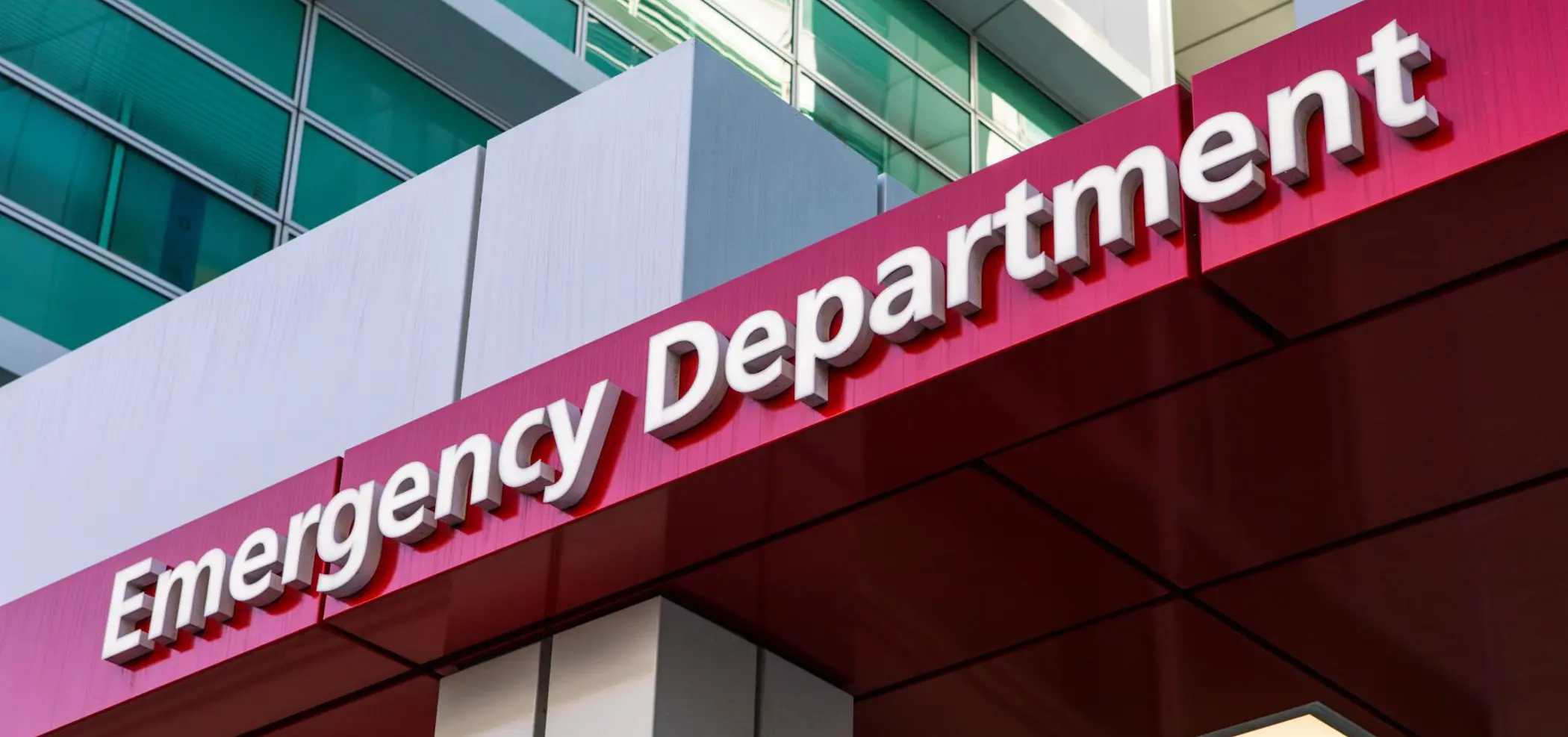
The study will explore women’s experiences of presenting to EDs, with a particular focus on interactions with nurses. Image: chrisdorney — stock.adobe.com
Women’s experiences when presenting to Emergency Departments with severe menstrual pain – including endometriosis, pelvic pain and other period-related conditions – are the focus of a new Federation University study.
Ahead of Endometriosis Awareness Month, women are being invited to share their stories and help shine a light on how those in acute pain are treated when seeking urgent care – particularly for conditions that are too often misunderstood, underdiagnosed or dismissed.
The study will explore women’s experiences of presenting to EDs, with a particular focus on interactions with nurses – often the first point of contact and central to assessment and ongoing care.
The study’s focus recognises the critical role nurses play in shaping patient outcomes and their unique position to influence how pain is understood, prioritised and managed in busy emergency settings.
PhD student Rebecca Peel says she hopes the study will help validate women’s experiences and drive improvements in how patients presenting with severe menstrual pain are assessed and treated.
“Too often, women with severe menstrual pain report feeling dismissed or not believed,” she said.
“This research seeks to improve women’s experiences – so that when they come into the Emergency Department, they know they’ll be taken seriously.”
In establishing her research, Ms Peel conducted a systematic review, examining research from around the world covering a 20-year span.
The review found that women’s symptoms have been systematically dismissed and normalised as being part of the female experience, leaving many feeling let down by healthcare professionals, and, in some cases, turning away from western healthcare altogether.
Associate Professor and PhD supervisor, Dr Karen Missen, said the PhD study’s focus on Emergency Departments reflects that these are often the places where women are most vulnerable, seeking urgent help for severe pain.
“Many women come to the ED experiencing pain that’s debilitating and frightening,” she said.
“These are moments when patients need validation and care. By exploring women’s experiences in these settings, this study aims to improve how we support them when they need it most.”
Cultural stigma also remains a persistent barrier to women being heard and feeling supported.
“In some communities, periods and women’s pain are surrounded by extra layers of silence. ED staff need to be equipped to recognise this and respond with culturally safe, respectful care,” Dr Missen said.
The research is also seeking to understand the experiences of ED nurses who often navigate the challenges of providing care in environments where gendered assumptions can affect how women’s pain is perceived and treated.
Ultimately, the study seeks to challenge entrenched societal attitudes toward women’s pain, Ms Peel said.
“As women, we’re often just told to ‘get on with it’. But it’s not women who need to be tougher – it’s our medical system that needs to be better.”
Women aged over 18 who have attended an emergency department for menstrual pain in the past 12 months are encouraged to participate in the study by sharing their experiences through an online survey.
Nurses who’ve cared for patients experiencing symptoms are also being asked to share their experiences via a quick online survey.
To learn more about Endometriosis Awareness Month, visit: www.marchintoyellow.org.au