
Sports officials facing high psychological distress, new study finds
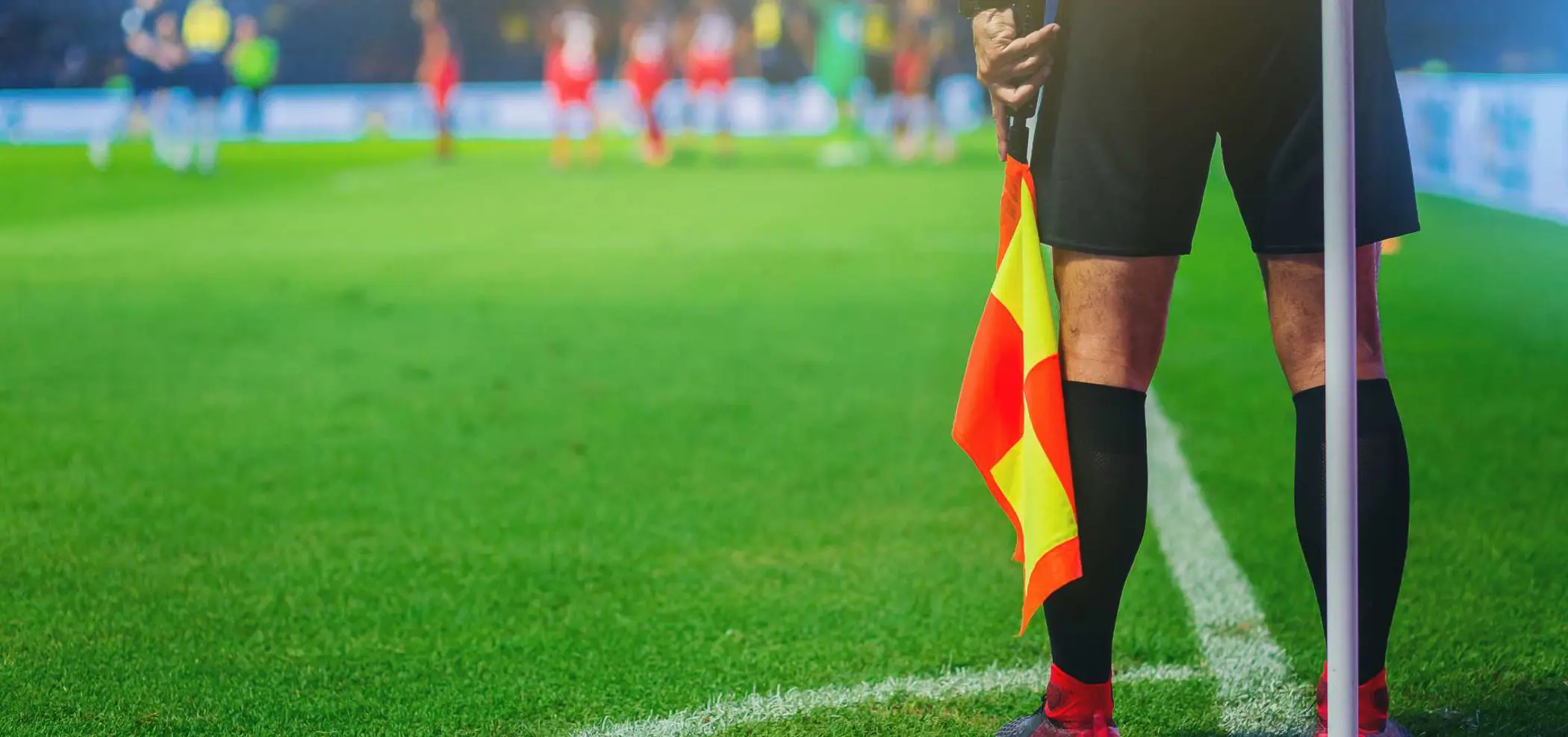
The study found that younger official were particularly vulnerable – increasing the risk they step away from sport altogether. Image Panumas — stock.adobe.com
A new study has exposed a concerning mental health chasm amongst Australian sports officials, with many experiencing high levels of psychological distress while also lacking the knowledge and confidence to seek help.
The study, led by Federation University Australia, found younger and less experienced officials were particularly at risk.
The research surveyed more than 200 officials, including referees, umpires and judges, across a range of sports and levels nationwide finding:
- Nearly one in three officials reported moderate to severe psychological distress
- Almost two thirds had low or below average mental health literacy
- Officials who were younger or had fewer years of experience were more likely to report higher levels of distress and lower intentions to seek help
Fuelling psychological strain, officials reported relentless pressure to make correct decisions, along with abuse and ongoing performance stress.
The findings add to growing conversations about help-seeking in sport, pointing to a culture where pressure is high but formal support is often overlooked or undervalued.
Lead author Dr Riki Lindsay said the findings highlight the impact of cultural expectations within sport.
“As recent examples have shown, the spotlight on officials doesn’t always switch off when the game ends,” he said.
“Paired with an environment where officials are expected to be tough and resilient, it can be even harder for people to feel confident seeking help.”
Co-author and Senior Lecturer in Exercise and Sport Psychology Dr Dominic McNeil said younger official were particularly vulnerable – increasing the risk they step away from sport altogether.
“Sports officials are expected to consistently make the right decisions, often under intense pressure and public scrutiny,” he said.
“For younger and less experienced officials in particular, that pressure can accumulate – yet many don’t feel confident about when, where or how to seek support.”
The study included officials from community, state, national and international levels across multiple sports, with findings showing that mental health challenges were widespread and not confined to elite competition.
The researchers warn that without stronger support for younger and developing officials, sporting competitions risk worsening attrition rates – with global turnover estimates ranging between 20 and 35 per cent.
While the study found that higher levels of mental health literacy were associated with increased intentions to seek help, it also indicates that education alone does not guarantee that officials will access mental health support.
Published in the Journal of Applied Sport Psychology, the study recommends a dual approach, combining targeted mental health education with organisational reforms that create safer, more supportive environments – particularly at community and grassroots levels.
Dr Lindsay said the study showed that practical knowledge and attitudes toward help seeking were critical in determining whether people sought out support.
“Knowing support exists is not enough – officials need the confidence and practical knowledge to actually access it when they need it.”