
Social work placements explained: A student's guide to field education in Australia

On air with SBS Filipino radio. Vianca chats about studying social work in Australia and the opportunities she’s discovered along the way. Listen to the episode.
Is social work the right career for you?
Meet Vianca, an international student from the Philippines who is about to graduate with a Master of Social Work (Qualifying). Like many students, Vianca’s motivation to pursue a career in social services was shaped by her desire to help others. She worked closely with vulnerable communities during the pandemic, cementing her path to postgrad studies.
“I chose social work because my experiences taught me that new vaccines and public health interventions don’t really translate well to vulnerable populations without engaging them first. Federation Uni’s Master of Social Work (Qualifying) appealed to me because the course looks at people from different lenses and, having been in the Philippines all my life, I wanted to know what it’s like abroad.”
Social work is one of the fastest growing careers in Australia, with jobs projected to increase by 23% by 2028. Graduates go on to work across hospitals, community health centers, child protective services, non-profits, government policy, social research and advocacy.
For Vianca, Melbourne was an easy choice. It’s just an eight-hour flight from home, she had family living there, and she knew Melbourne was rated one of the best student cities in the world.
“Australia is very culturally diverse, so it’s been exciting to get to know people from different backgrounds, learning their values, work ethic and all. It really does open your mind to the different ways people live their lives.”

Why field education matters in social work
A lot of students ask, “Why are placements such a big deal?” The simple answer is: this is where you become an experienced social worker. Placements are where classroom theory and case studies turn into real experience – working with people facing real challenges, in real communities.
If you’re hoping to work in Australia after graduation, placements are also essential. To be eligible for membership with the Australian Association of Social Workers (AASW), students need to complete 1,000 hours of supervised field education as part of an accredited degree. That’s why Federation’s Master of Social Work (Qualifying) embeds two placements across its blended delivery model.
Rather than juggling full-time classes alongside placement, Federation students attend one day of classes every fortnight, giving them space to balance placement, work and life outside study without losing academic support.
“Federation’s Master of Social Work (Qualifying) doesn’t have standard semester breaks in this program. It’s really flexible. I attend classes once a fortnight for the whole day and in between I can study, work, volunteer and just enjoy being in Australia,” says Vianca.
Are placements paid?
Yes. Through Federation’s Co-operative Education Model, every student receives financial support during their placements from either their employer, a Commonwealth Prac Payment (Domestic students), or in the form of a Placement Support Scholarship (International students). Beyond internship support, Federation offers a wide range of scholarships so you can stay focused on what matters most.
How to find a placement in Australia
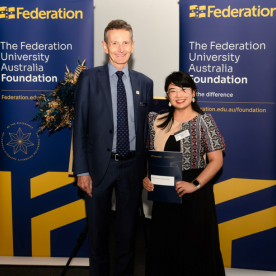
Finding a placement can feel overwhelming at first, but you don’t have to do it alone. At Federation, you’ll have exclusive access to InPlace. Think of it as an online jobs portal that lists available placements so you can apply, while managing your profile and important documents (like your Tax File Number and Working With Children Check). You’ll be shown what to do, when to do it, and who to contact for support. Fed’s placement team will guide you through the process, from matching you with an organisation to helping you prepare for conversations and commencing placement.
Timing matters, especially if you already know you want to work in a particular setting or location. Thanks to volunteering and building relationships, Vianca had no problem pursuing her own placement. “Being well connected with my local community gave me the confidence to seek my own placement the second time around”, she recalls.
What to expect during field education
“So my first placement was with the Australian Filipino Community Services, based in Dandenong,” recalls Vianca. “They support Filipinos and other people to navigate community services like Centrelink or entering Aged Care. The placement gave me hands-on experience and I learnt a lot about the social welfare system in Australia.”
It was a role that put her right at the heart of community support work, where she quickly turned theory into practice.
“During my placement, I would meet with elderly and vulnerable clients, screening them to see if they’re eligible for social support services. Having only been in Australia a year and a half, I didn’t know how locals felt about receiving social welfare support – whether there’s a stigma or not. So it was difficult in the beginning. I had to learn about the services and systems really quickly so that I could relay helpful information. I had excellent mentors who had been in the field for quite some time. They guided me in the right direction.”
The guidance she received also helped her build professional relationships and secure references that matter when it comes to applying for jobs.
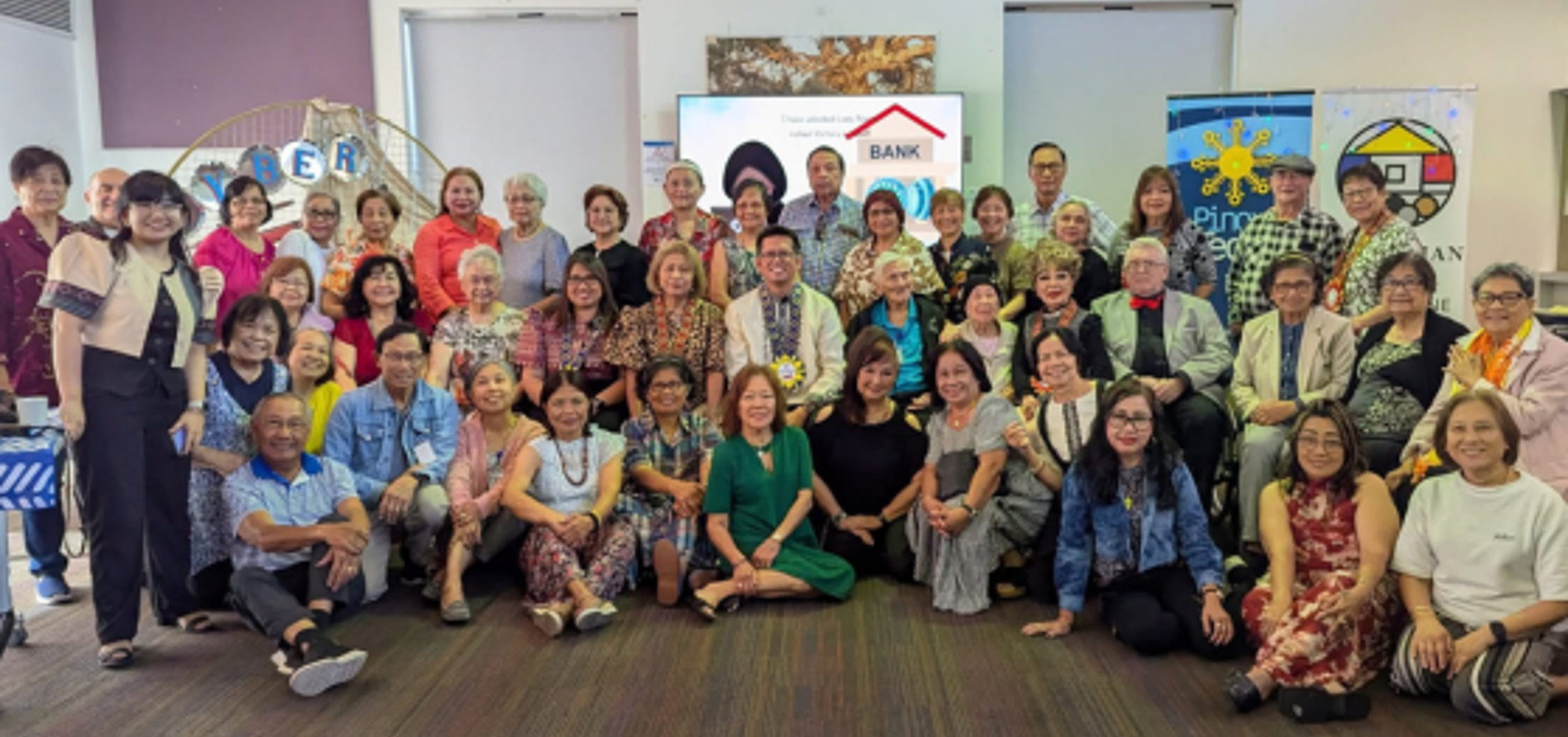
Early in her studies, Vianca volunteered with Pinoy Tech, drawing on her IT background to run digital skills workshops for elderly community members. The experience helped her feel at home in Melbourne and gave her the confidence to step into placement.
How to register as a social worker in Australia
Completing Federation University’s accredited Master of Social Work (Qualifying) means you are eligible to apply for membership with the Australian Association of Social Workers (AASW). Most employers require graduates to hold this membership to be considered for a role, so it’s a crucial first step. But you don’t have to wait for graduation to apply. Once you’ve passed all your units, simply contact Federation’s student services to request a Letter of Completion. Then visit the AASW website to begin your membership application.
Social work placements are central to building confidence, professional judgement, cultural awareness and ethical decision-making. And they play a defining role in shaping where your social work career can take you next, just like Vianca.
If you’re considering a career in social work, choosing an accredited degree with strong field education support is key. Explore social work courses at Federation University and take the first step towards a career that makes a real difference – one placement at a time.
Disclaimer: This qualification is accredited by the Australian Association of Social Workers (AASW). It has also been assessed as being an equivalent qualification for the purposes of the Mandatory Minimum Qualifications policy for employment in specialist family violence practitioner roles in Victoria.